Indian food: 10 dishes to know
Indian food changes every few hundred kilometres. These ten dishes cover rice, breads, curries and street food from the north and the south, with their history and how they are made.
North and south
The north leans on wheat breads, dairy and rich gravies; the south on rice, lentils, coconut and tamarind.
The dishes
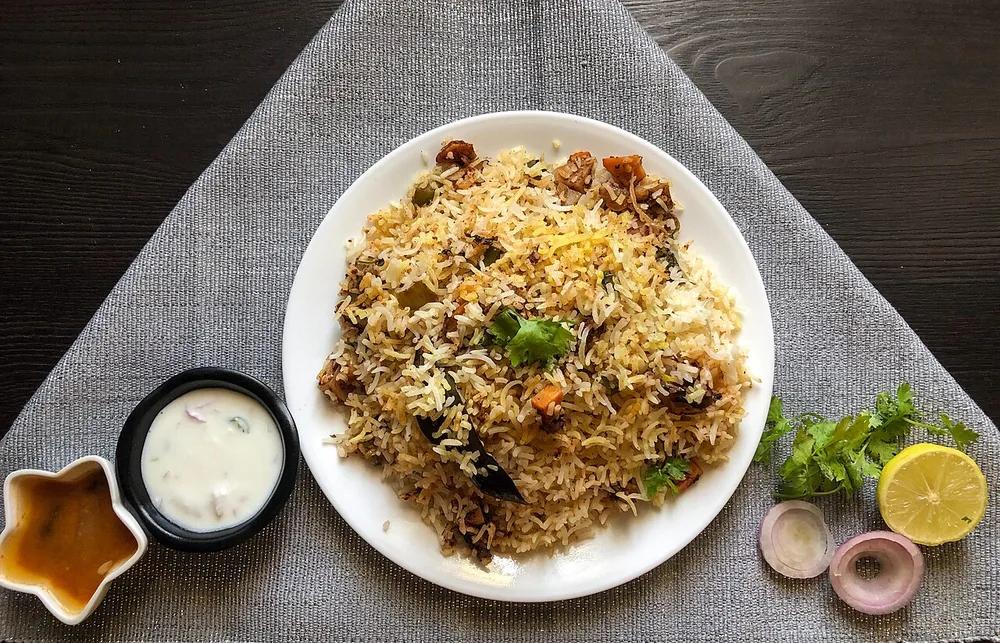
Photo: Mahi Tatavarty, CC BY-SA 4.0 Biryaniबिरयानी
History
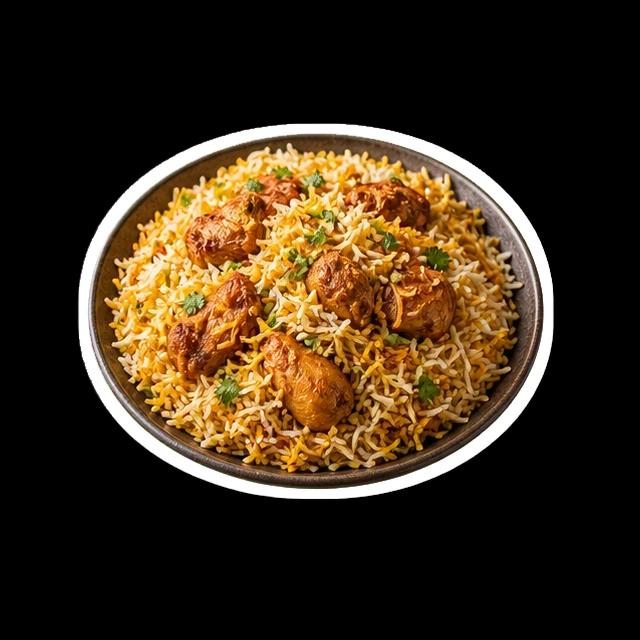
Biryani developed in the kitchens of the Mughal Empire, with Persian roots. Famous regional styles include Hyderabadi and Kolkata, which adds a potato.
How it is made
Long-grain basmati rice is layered with spiced, marinated meat, fried onions, saffron and herbs. The pot is sealed and slow-cooked by the dum method so the rice absorbs the aromas.
How to eat it
Look for separate, fragrant grains and tender meat, and eat it with raita.
Photo: stu_spivack, CC BY-SA 2.0 Butter chickenमुर्ग़ मक्खनी
History
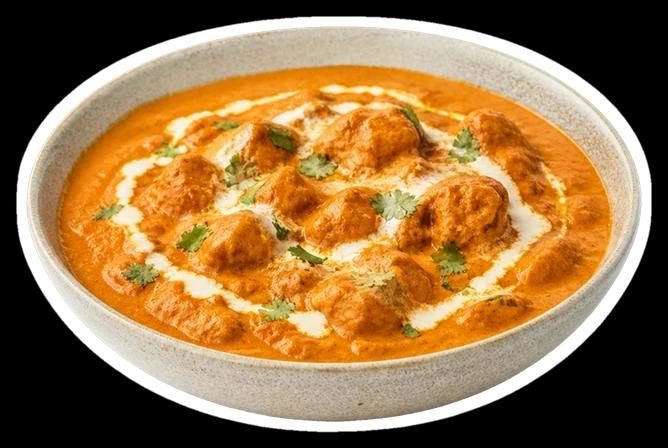
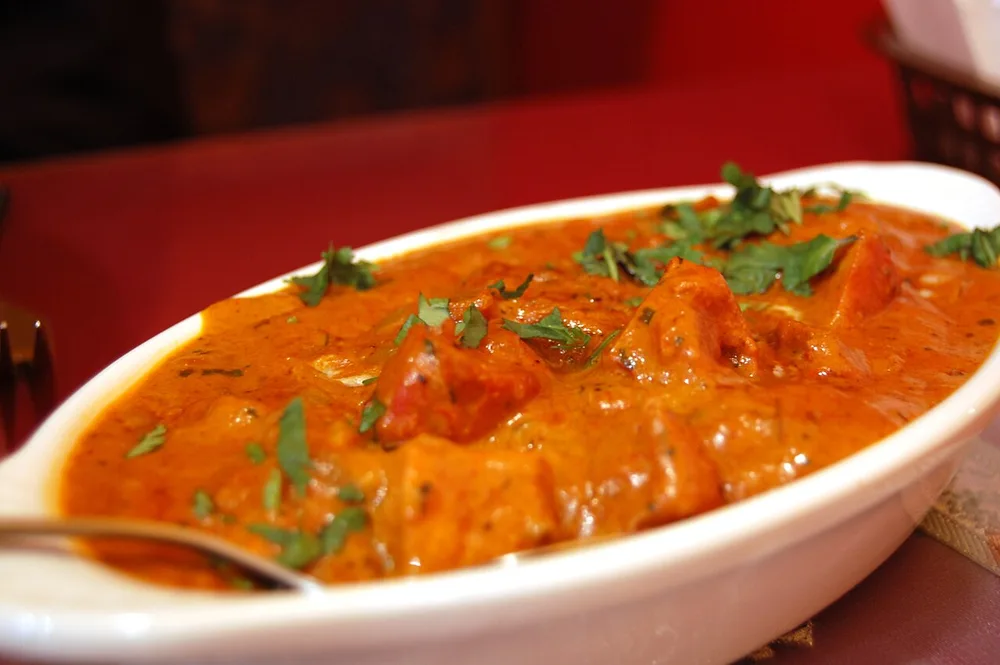
Butter chicken was created in the 1950s at the Moti Mahal restaurant in Delhi, run by refugees from Peshawar after the partition of India.
How it is made
Pieces of tandoori chicken are simmered in a mild sauce of tomatoes, butter and cream, spiced with kasuri methi (dried fenugreek). The sauce is smooth and rich.
How to eat it
Eat it with naan, and look for a velvety, mildly spiced sauce.
Photo: Yakshitha, CC BY-SA 4.0 Masala dosaಮಸಾಲೆ ದೋಸೆ
History
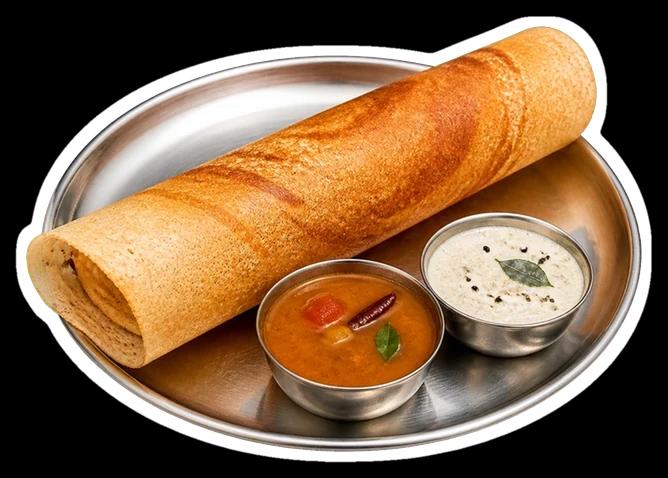
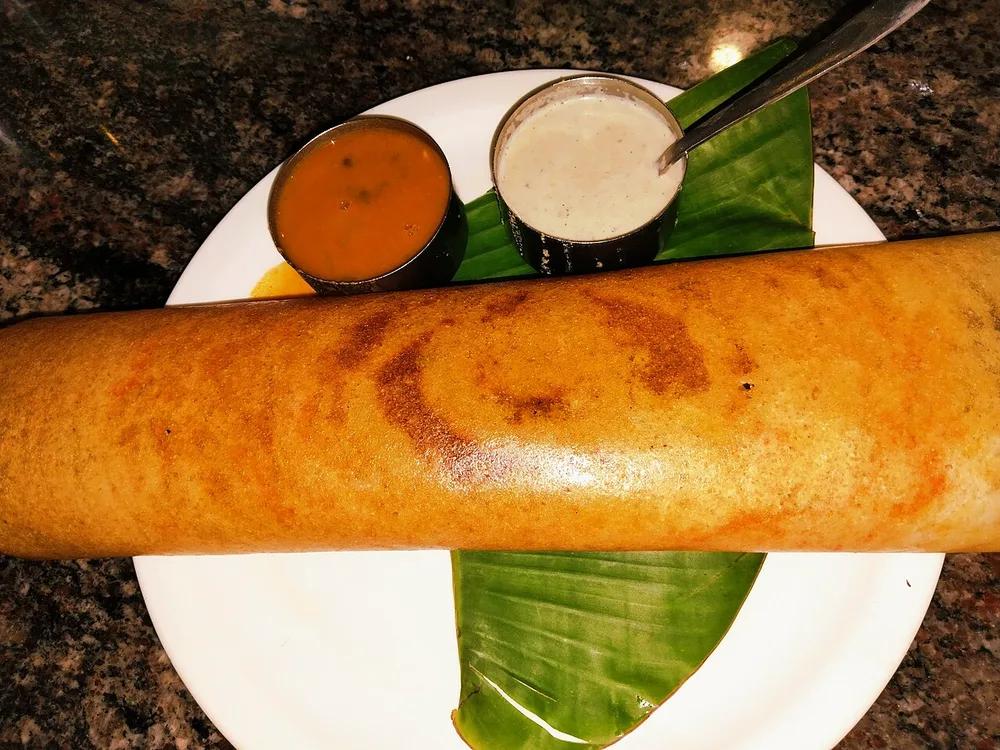
Masala dosa comes from the Udupi cooking tradition, and it was popularised in Madras (now Chennai) in the 1930s by K. Krishna Rao, whose Udupi-style restaurants pioneered it. It is now eaten across India.
How it is made
A batter of rice and black lentils is fermented overnight and spread thin on a hot griddle to make a crisp crepe. It is filled with a spiced potato and onion filling.
How to eat it
Eat it with your right hand, dipping into coconut chutney and sambar.
Photo: pelican, CC BY-SA 2.0 Tandoori chickenतंदूरी मुर्ग़ी
History
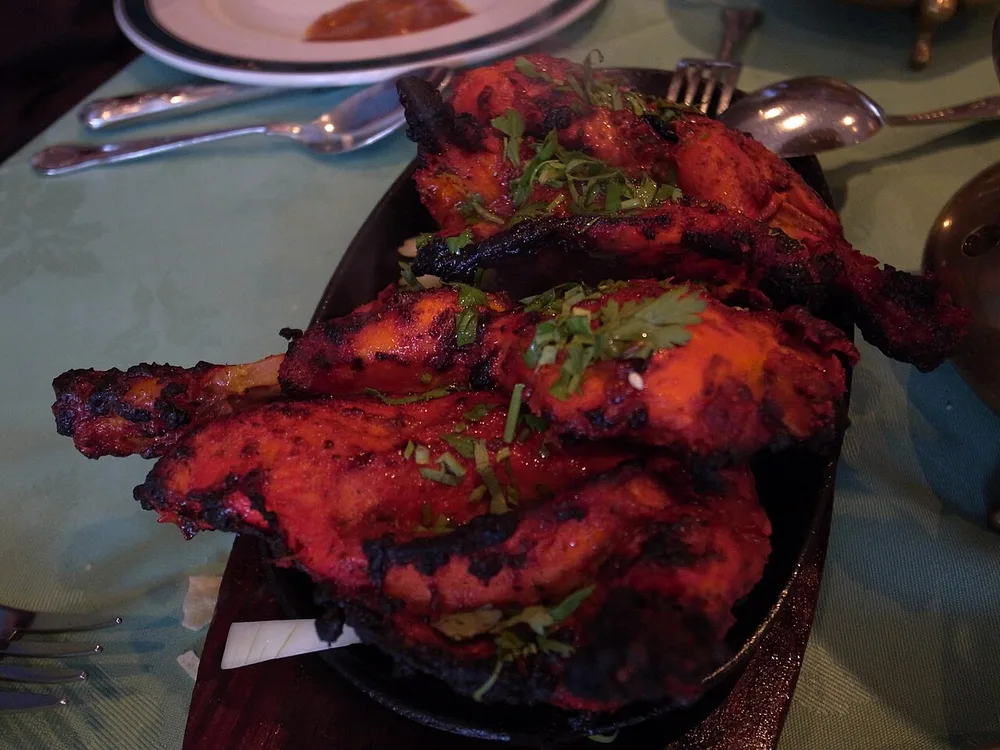
The modern tandoori chicken was popularised by Kundan Lal Gujral, first in Peshawar and, after partition in 1947, at Moti Mahal in Delhi. The tandoor itself is an ancient clay oven.
How it is made
Chicken is marinated in yogurt and spices such as chili, cumin and garam masala. It is cooked at a very high temperature in a tandoor.
How to eat it
Squeeze lime over it, eat with onion and green chutney, and look for charring on the edges.
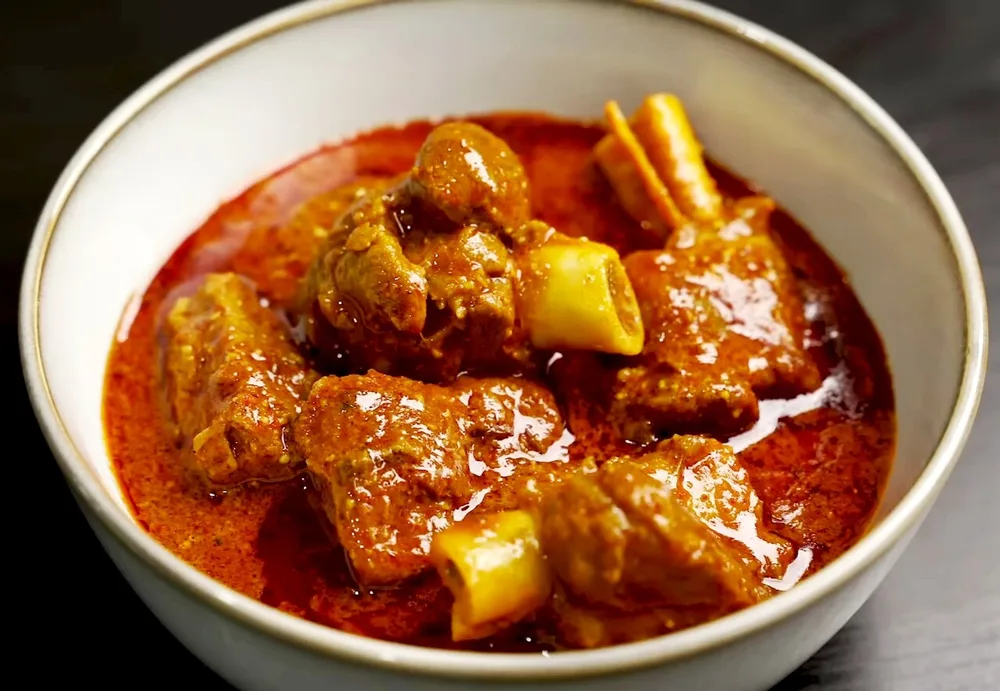
Photo: Spice Eats, CC BY 3.0 Rogan joshरोगन जोश
History
Rogan josh has Persian origins and became a signature dish of Kashmiri cooking, including the multi-course wazwan feast. Its name refers to cooking in oil or fat with intense heat.
How it is made
Lamb or mutton is braised in a sauce coloured red by Kashmiri chili and flavoured with fennel, ginger and other spices. Some versions use yogurt.
How to eat it
It is aromatic rather than fiery; eat it with plain rice.
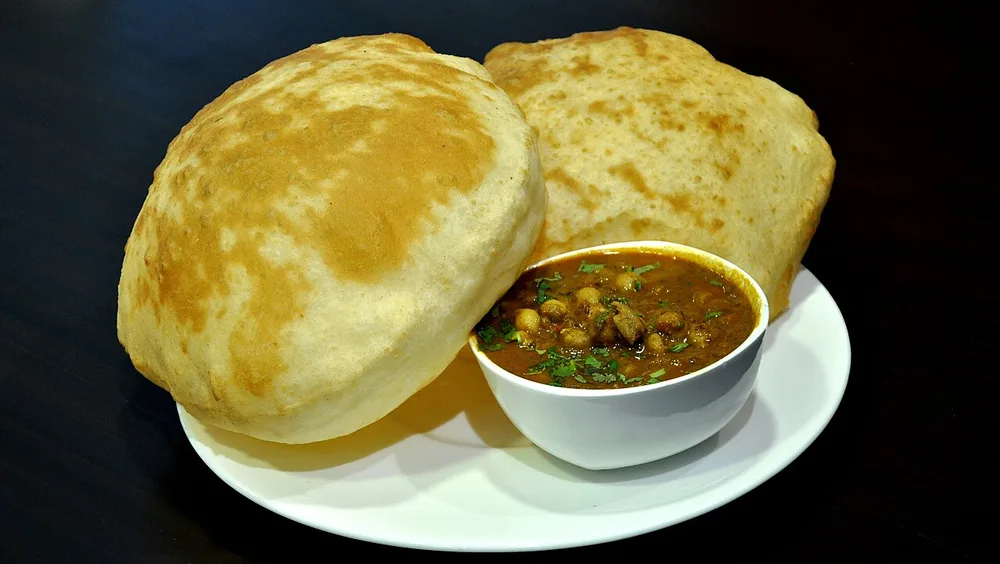
Photo: Dheerajk88, CC BY-SA 4.0 Chole bhatureछोले भटूरे
History
Chole bhature is a Punjabi dish that became a beloved breakfast and street food in Delhi. It pairs a spicy chickpea curry with fried bread.
How it is made
Chickpeas are cooked in a spicy, tangy gravy. The bhatura is a leavened dough of flour and yogurt, deep-fried until it puffs up.
How to eat it
Eat it hot with pickled onions and lassi, and look for a bhatura that is puffy and not greasy.
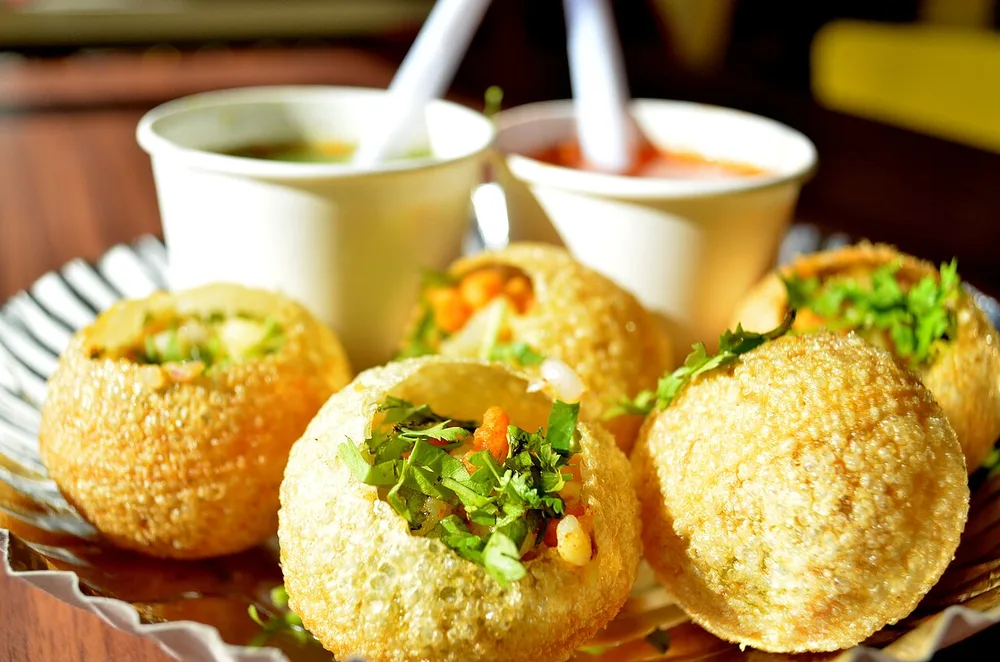
Photo: Sruthi612, CC BY-SA 4.0 Pani puriपानी पूरी
History
Pani puri is one of the most popular street foods of the Indian subcontinent and has many names, such as golgappa in the north and puchka in Kolkata. Vendors sell it from carts across the subcontinent.
How it is made
Small, hollow fried puris are cracked open and filled with spiced potato, chickpeas, tamarind chutney and spicy flavoured water (pani). They are served one by one.
How to eat it
Put the whole thing in your mouth at once before it softens.
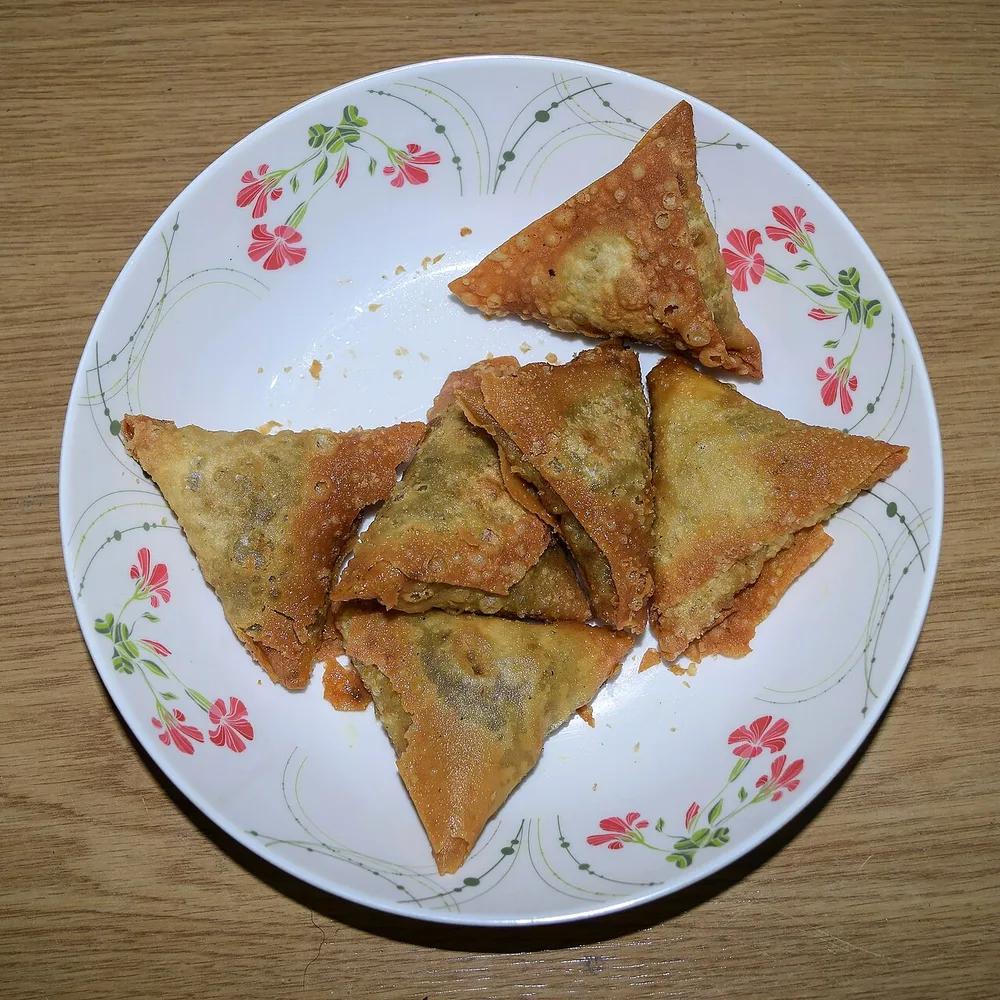
Photo: Moheen Reeyad, CC BY-SA 4.0 Samosaसमोसा
History
The samosa came to India from the Middle East and Central Asia with traders in the 13th or 14th century. The traveller Ibn Battuta described a similar dish served at the court of Muhammad bin Tughluq.
How it is made
Pastry dough is shaped into cones, filled with spiced potatoes and peas, and deep-fried. Some versions use meat or lentils.
How to eat it
Eat it hot with green chutney and tamarind sauce, and look for a crisp, blistered pastry.
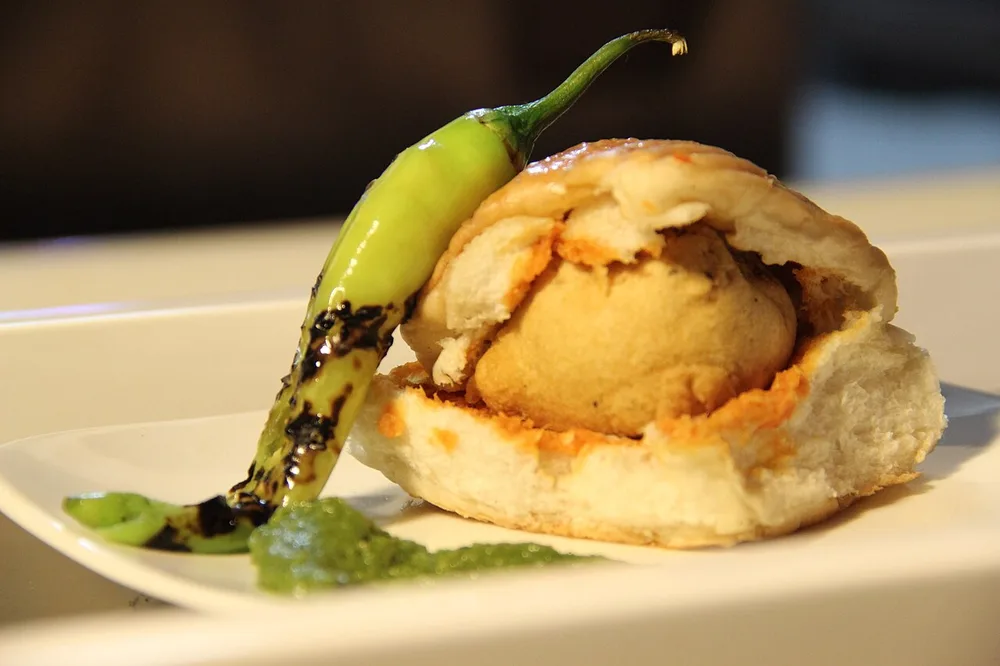
Photo: Rutvi Mistry, CC BY-SA 4.0 Vada pavवडा पाव
History
Vada pav is credited to Ashok Vaidya, who began selling it near Dadar station in Mumbai in 1966. It is often called Mumbai's burger and is the city's signature street food.
How it is made
A spiced potato mixture is coated in gram flour batter and deep-fried to make a vada. It is placed in a soft bread roll (pav) with chutneys and fried green chili.
How to eat it
Eat it hot from a street stall with dry garlic chutney.
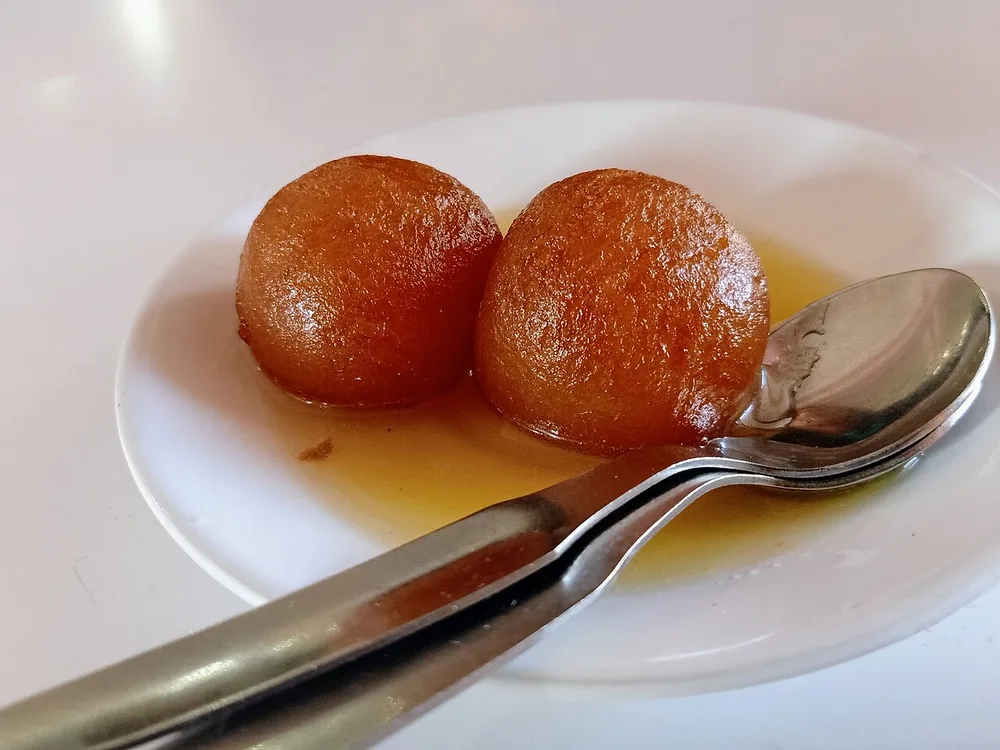
Photo: Suyash.dwivedi, CC BY-SA 4.0 Gulab jamunगुलाब जामुन
History
Gulab jamun is thought to have developed in medieval India, influenced by Persian sweets. Its name combines gulab (rose, for rose water syrup) and jamun, a fruit of similar size and colour.
How it is made
Balls of khoya (milk solids) and flour are deep-fried until dark brown. They are soaked in a sugar syrup flavoured with cardamom and rose water.
How to eat it
Eat them warm, and look for soft balls that are soaked through to the centre.
Questions
What are the most popular Indian dishes?
Biryani, butter chicken, masala dosa, dal and naan are among the best known, along with samosas and chai.
Is all Indian food spicy?
No. Butter chicken, korma and dal makhani are mild, and the heat of most dishes can be adjusted.
What is the difference between North and South Indian food?
The north uses more wheat, dairy and rich gravies; the south more rice, lentils, coconut and tamarind.


Your next meal
is a collectible.
ate is out on Google Play. Snap your next plate and start the collection.
Get it on Google PlayFree · Android 8.0 or newer