French food: 10 dishes to know
French food is far more than fine dining. These ten dishes cover the bakery, the bistro and the home kitchen, with where each comes from and how it is made.
Butter, wine and patience
Much of French cooking is slow: stews braised in wine for hours, onions cooked until dark, doughs folded with butter again and again. Each region has its own classics, from Burgundy's stews to Provence's vegetables.
The dishes
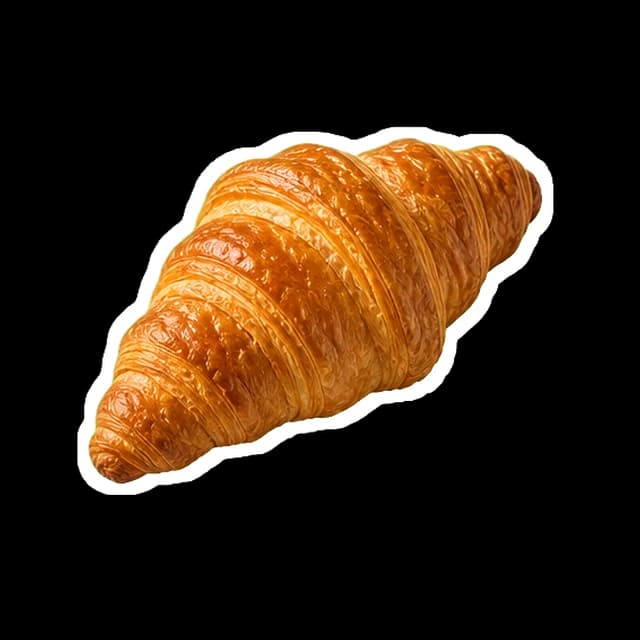
Photo: SKopp, CC BY-SA 3.0 CroissantCroissant
History
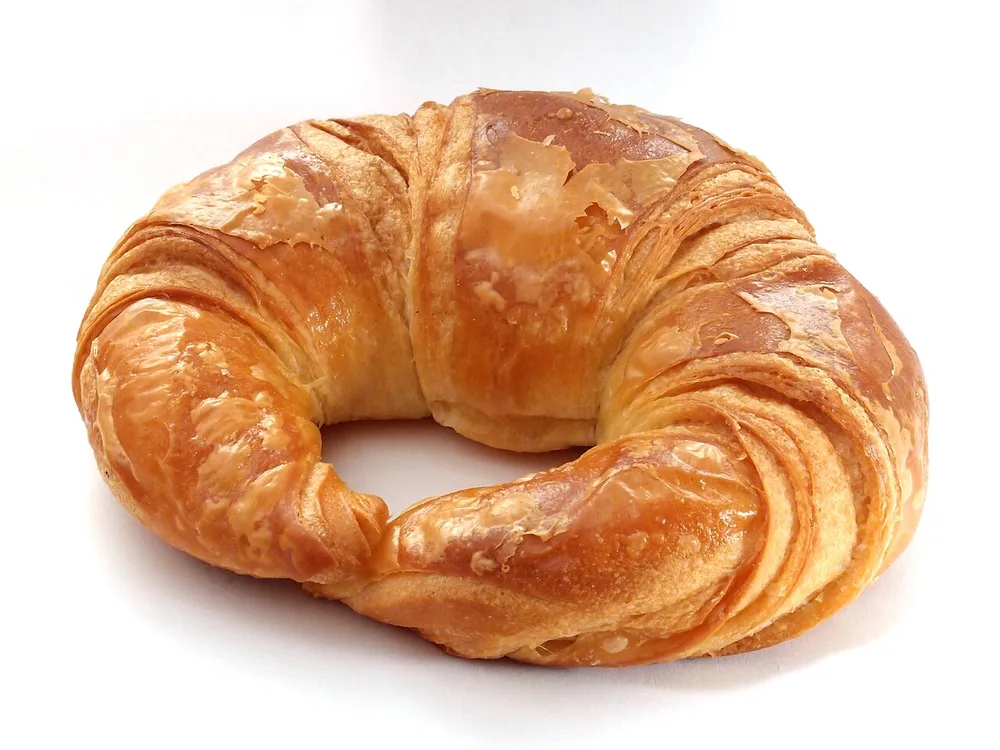
The croissant was inspired by the Austrian kipferl, and Vienna's influence came through August Zang, an Austrian officer who opened a Viennese bakery in Paris in 1838 or 1839. The name appears among Paris luxury breads in 1853, and the earliest known recipe for today's laminated croissant dates from 1905.
How it is made
A yeast dough is layered with butter, then rolled and folded several times, a technique called laminating. It is cut into triangles, rolled into crescents, proofed and baked until the many thin layers puff and turn golden.
How to eat it
Eat it fresh in the morning; a good one shatters into flakes outside and shows an open, honeycomb crumb inside.
Photo: balise42, CC BY-SA 2.0 Boeuf bourguignonBœuf bourguignon
History
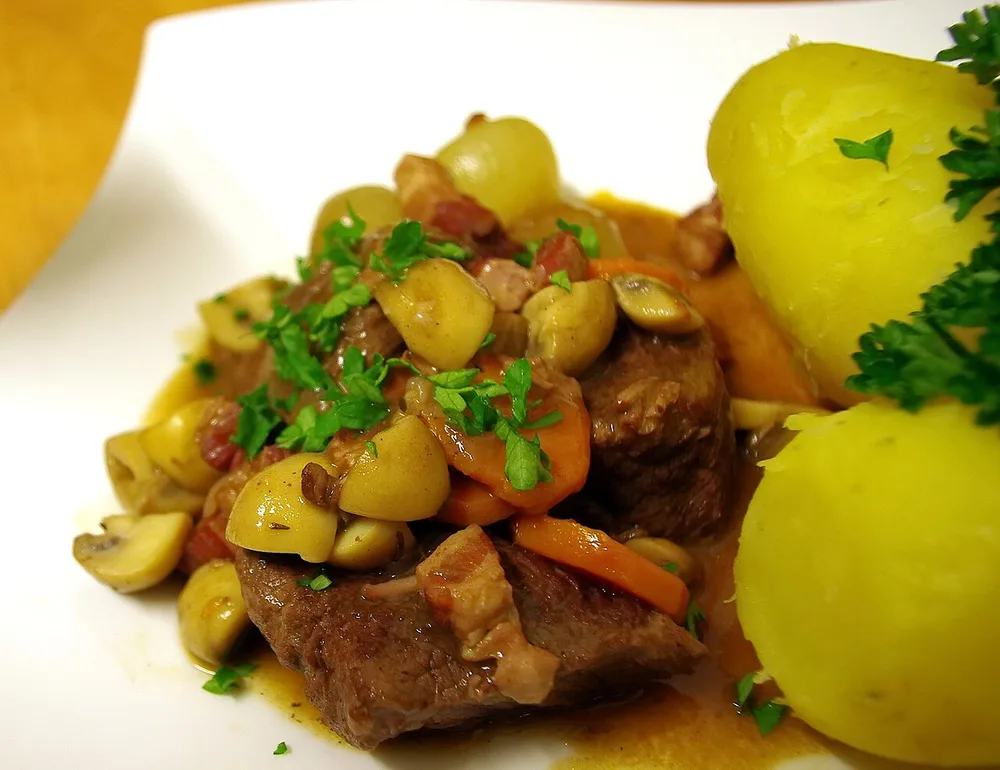
Often presented as an old Burgundian tradition, boeuf bourguignon was first documented only in 1867. Since the mid-19th century, bourguignon has been a cooking term for dishes made with wine or with a mushroom and onion garnish.
How it is made
Beef is braised slowly in red wine, often red Burgundy, and beef stock with carrots, onions, garlic and a bouquet garni. It is finished with pearl onions and mushrooms.
How to eat it
Look for tender beef in a dark, glossy sauce, and eat it with boiled potatoes, pasta or bread.
Photo: jules, CC BY 2.0 Coq au vinCoq au vin
History
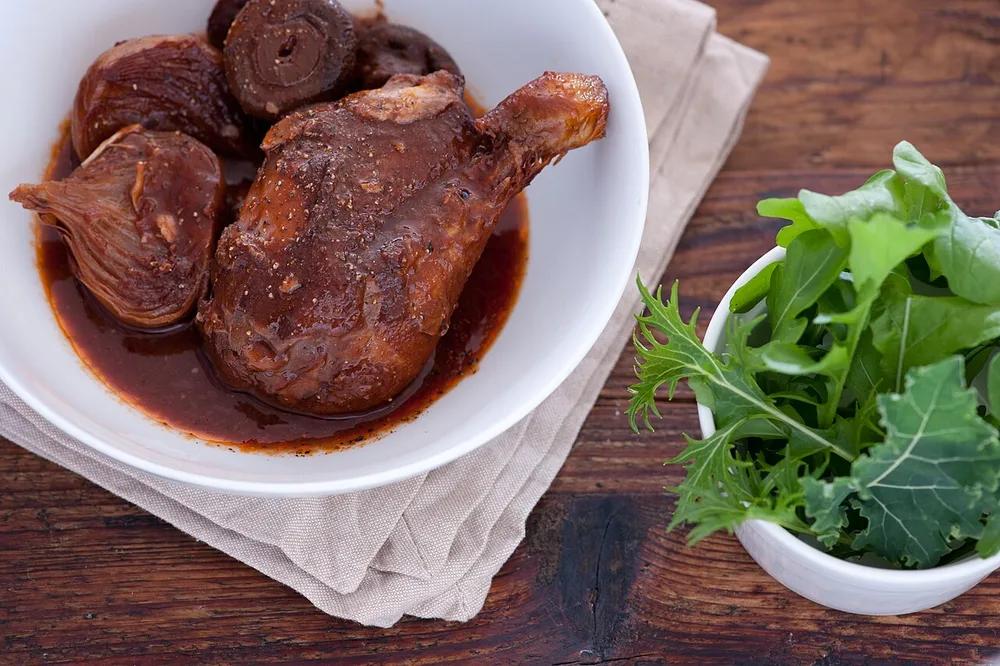
Legends link coq au vin to ancient Gaul and Julius Caesar, but the recipe was not documented until the early 20th century, though it likely existed long before as a rustic dish. Julia Child and her co-authors made it famous abroad in Mastering the Art of French Cooking (1961).
How it is made
Chicken is braised in wine, typically red Burgundy, with lardons, button mushrooms, onions and often garlic. Regions make their own versions with local wines, such as coq au riesling in Alsace.
How to eat it
Expect falling-off-the-bone chicken in a deep wine sauce; mop it up with bread.
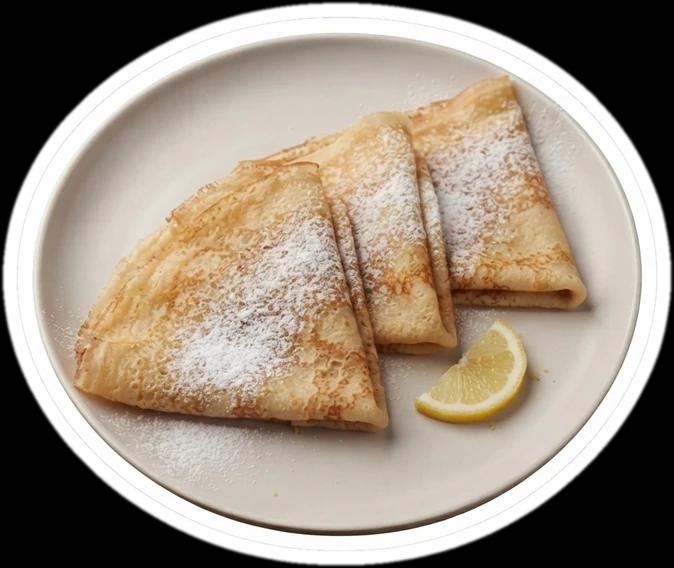
Photo: Missvain, CC BY 4.0 CrêpesCrêpes
History
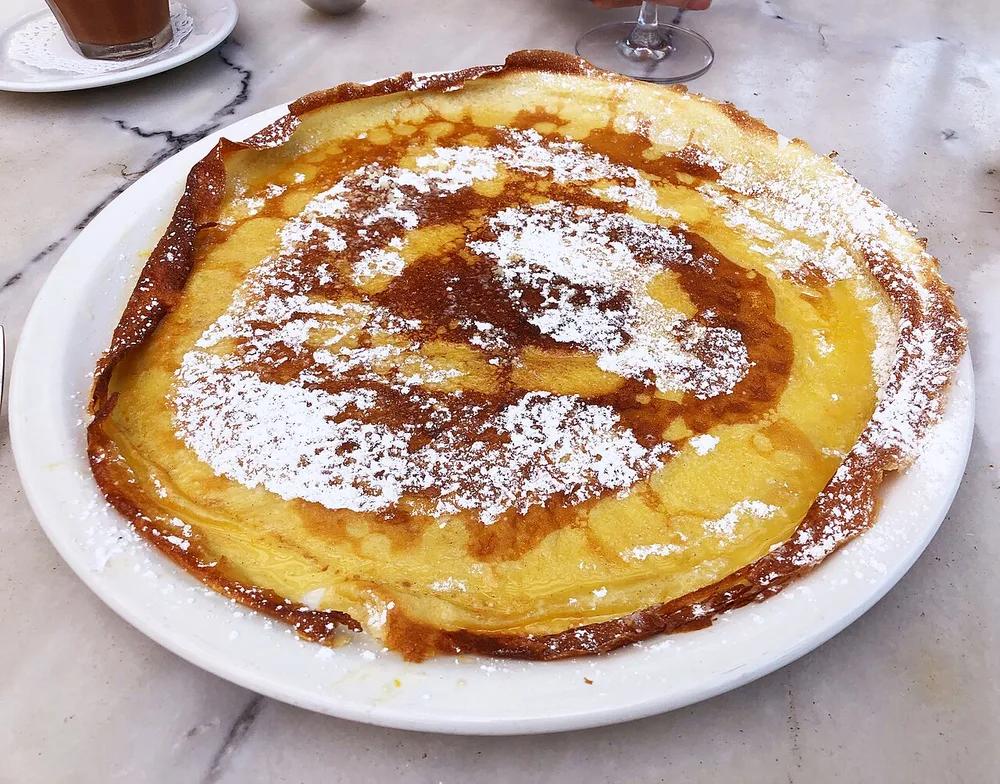
The word crepe comes from the Latin crispus, meaning curled or wrinkled. In France, crepes are traditionally eaten on Candlemas (la Chandeleur), on 2 February.
How it is made
An unleavened batter of flour, eggs and milk is poured thinly onto a hot pan or griddle and cooked on both sides. Sweet crepes get fillings like sugar, jam or chocolate, and savoury buckwheat galettes take cheese, ham or egg.
How to eat it
Buy them from a street stand or a creperie, and try a simple butter and sugar crepe first.
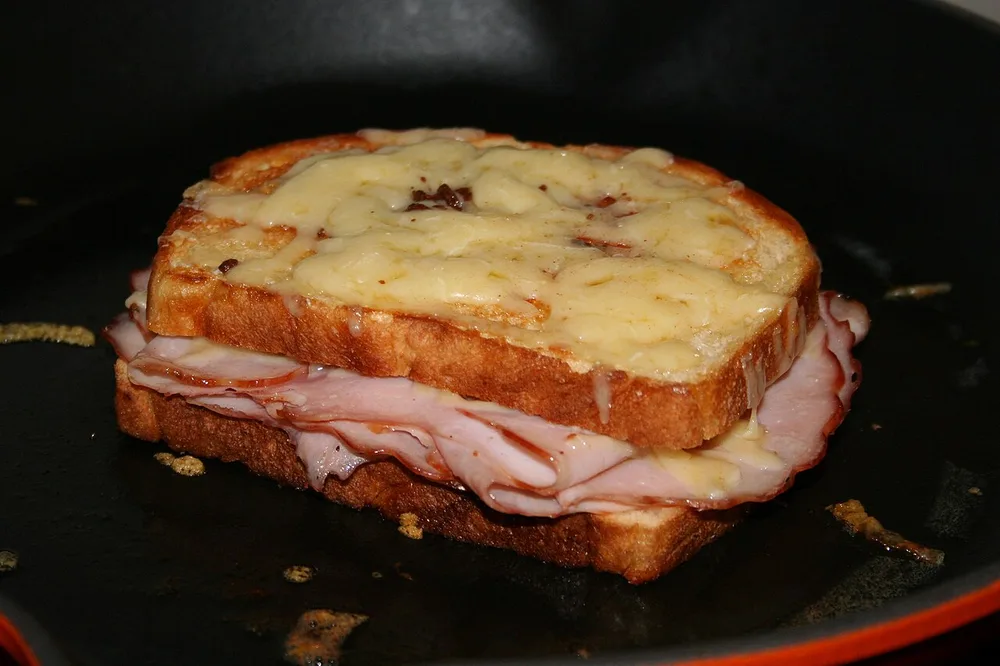
Photo: Michael Brewer, CC BY-SA 2.5 Croque monsieurCroque-monsieur
History
The croque monsieur is a hot ham and cheese sandwich that was already eaten before the end of the 19th century: an 1891 sports magazine describes friends making croque-monsieurs for lunch. Topped with a fried egg, it becomes a croque madame.
How it is made
Ham and cheese, usually Gruyere or Emmental, go between slices of buttered bread. It is baked or fried until crisp, and many versions add bechamel sauce on top before grilling.
How to eat it
A classic French cafe lunch; look for a bubbling, browned cheese top.
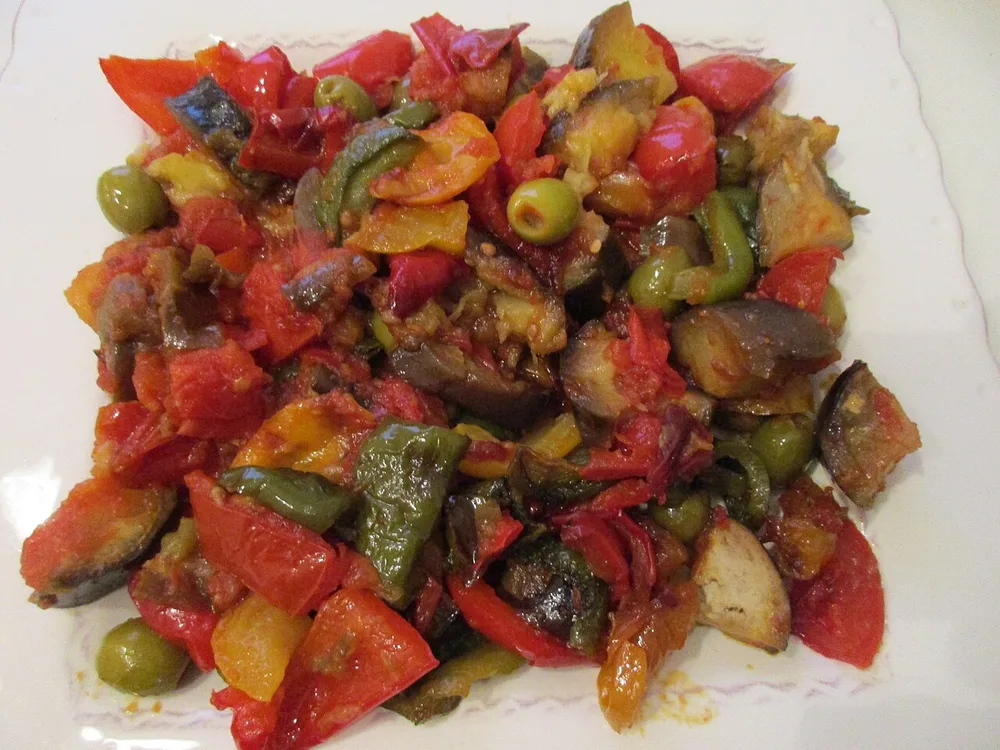
Photo: Arnaud 25, CC BY-SA 4.0 RatatouilleRatatouille
History
Ratatouille comes from the rural cooking of Provence, where summer vegetables were stewed together to use up the harvest, and it is particularly associated with Nice. A modern recipe does not appear in print until 1930.
How it is made
Tomatoes, garlic, onions, courgettes, aubergines, peppers and herbs are cooked in olive oil. Some cooks saute each vegetable separately before combining them, while others stew everything together.
How to eat it
Eat it warm or at room temperature, as a side or with bread; the vegetables should be soft but still distinct.
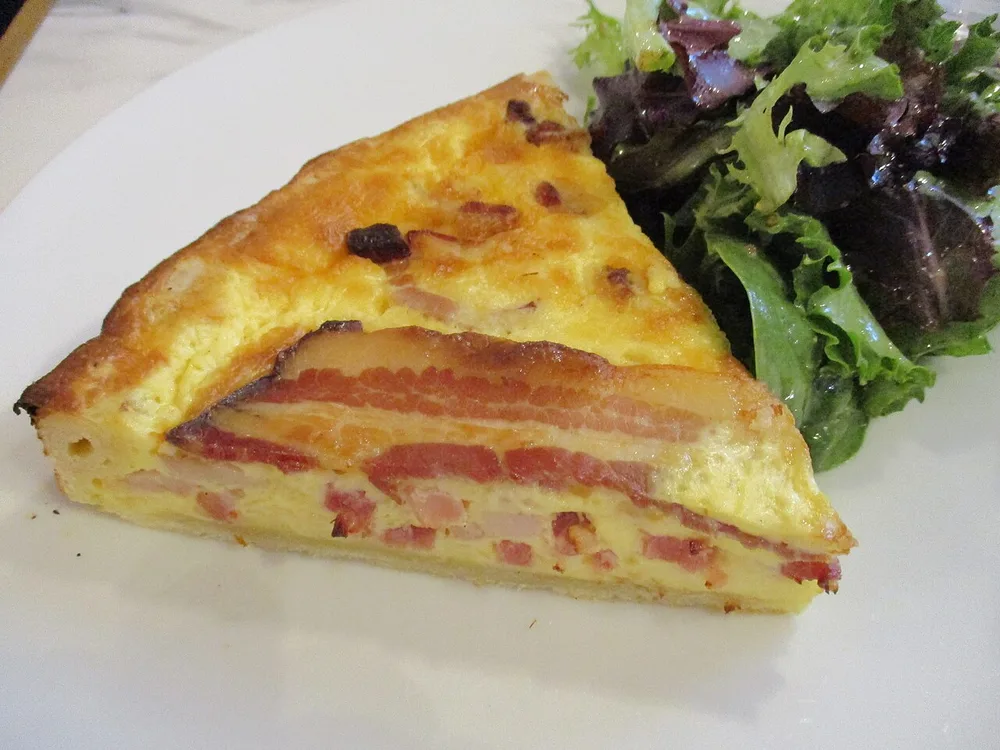
Photo: Arnaud 25, CC0 Quiche lorraineQuiche lorraine
History
The word quiche is first recorded in the Lorraine dialect in 1605, and it may be related to the German Kuchen, cake. A quiche-like dish was served at a dinner for Charles III, Duke of Lorraine, in 1586.
How it is made
A shortcrust pastry case is filled with a savoury custard of eggs and cream and pieces of lardons or bacon. It is baked until just set and golden.
How to eat it
It can be eaten hot, warm or cold; the custard should be silky and the crust crisp, not soggy.
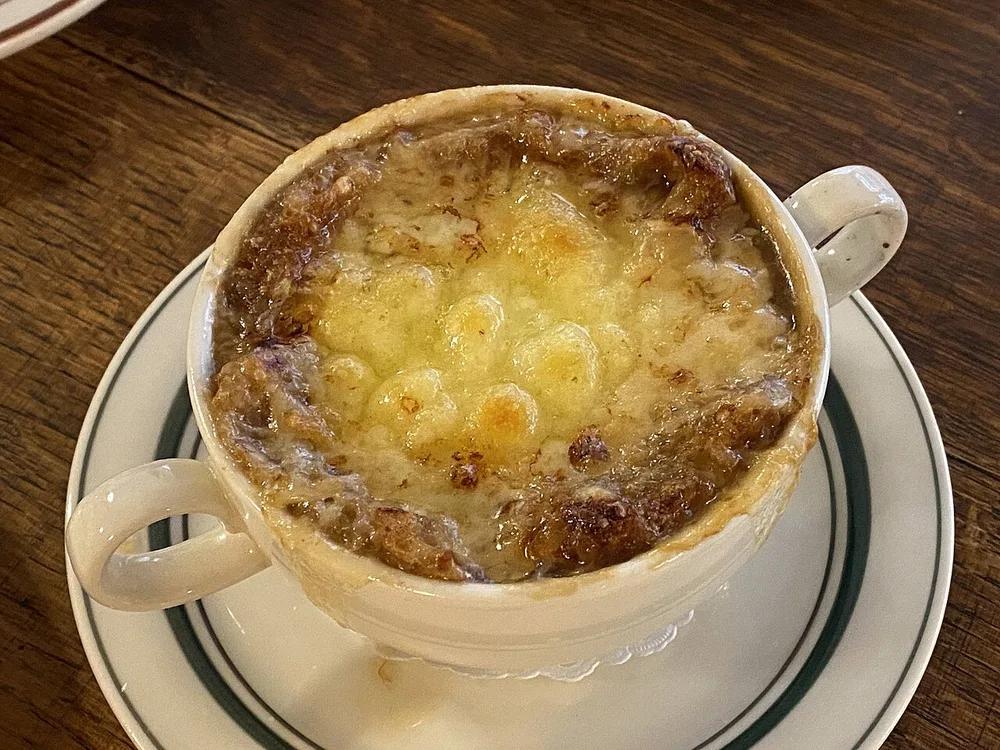
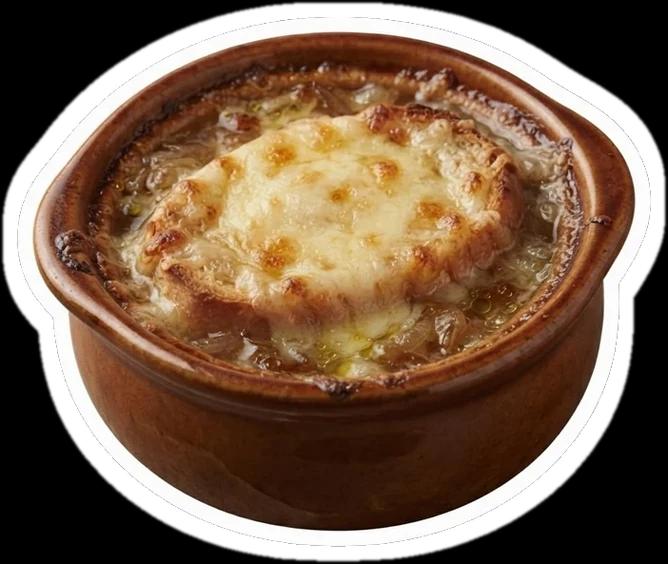
Photo: lazy fri13th, CC BY 2.0 Soupe à l'oignonSoupe à l'oignon gratinée
History
Onion soups have been known in France since medieval times, but the modern gratinated version dates from the mid-19th century around Les Halles, the great Paris food market. Restaurants there, such as Au Pied de Cochon, served it with a thick layer of cheese browned under the grill.
How it is made
Onions are slowly sauteed until caramelised, then cooked in meat stock or water. The soup is ladled into bowls, topped with bread and grated cheese, and grilled until bubbling.
How to eat it
Break through the cheese crust with your spoon and eat it very hot, ideally late at night as Paris market workers did.
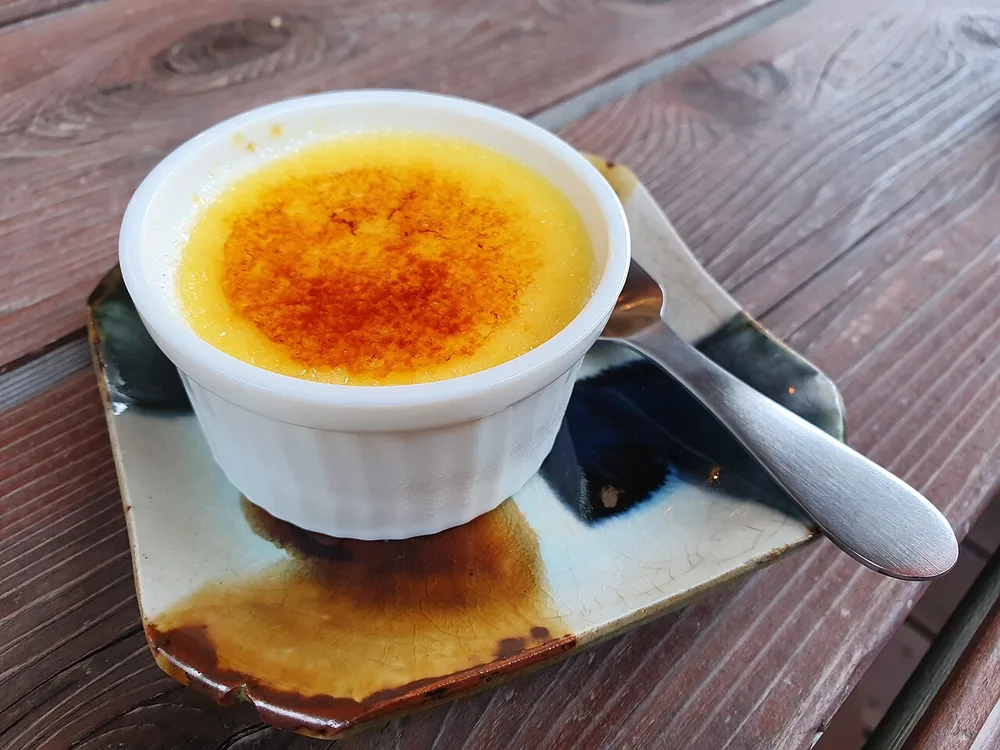
Photo: Syced, CC0 Crème brûléeCrème brûlée
History
The earliest known recipe for a dessert called creme brulee appears in Francois Massialot's 1691 cookbook Cuisinier royal et bourgeois, though its origins are unclear. It is almost identical to Spanish crema catalana and to the Cambridge burnt cream of Trinity College.
How it is made
A custard of cream, egg yolks, sugar and usually vanilla is baked gently and chilled. Just before serving, sugar is sprinkled on top and caramelised into a hard, glassy layer.
How to eat it
Crack the crust with your spoon; the top should be warm and brittle and the custard cool and creamy.
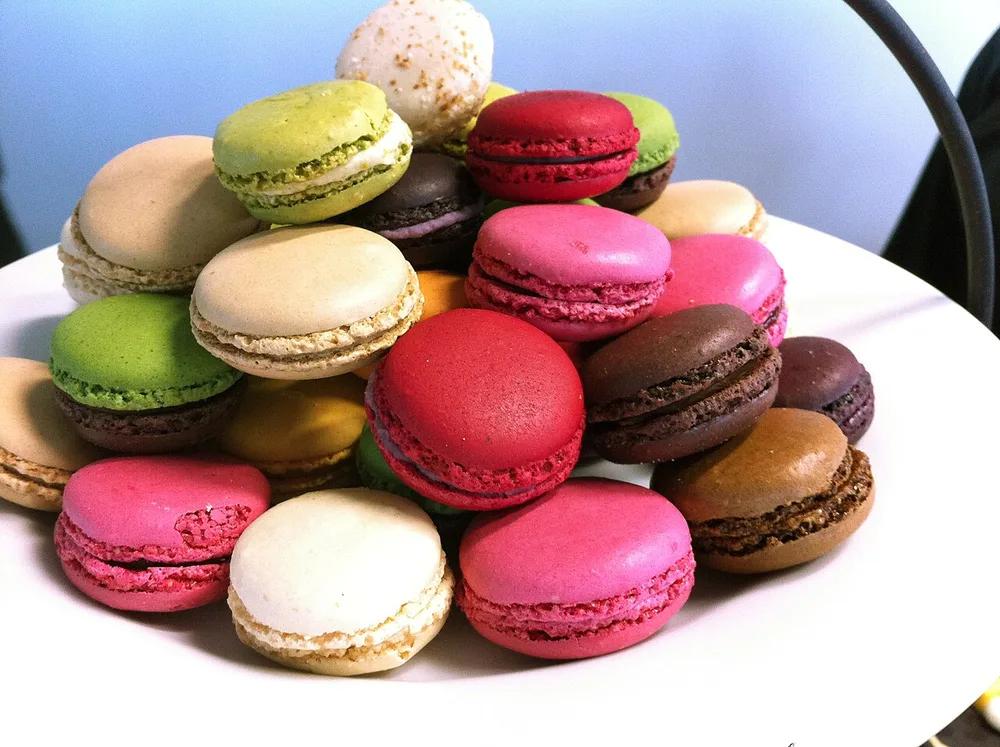
Photo: Nicolas Halftermeyer, CC BY-SA 3.0 MacaronsMacaron parisien
History
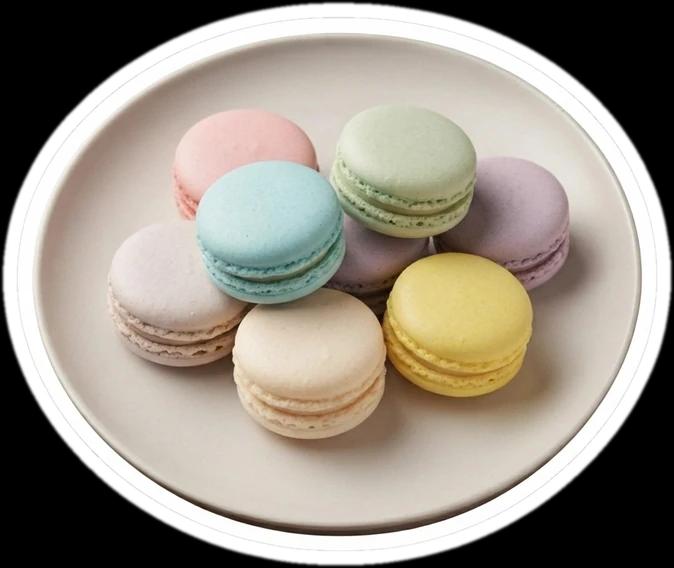
The Parisian macaron, two almond meringue shells joined by a filling, was originally called the Gerbet or Paris macaron, and it has been filled with ganache, buttercream or jam since the 19th century. Pierre Desfontaines of the patisserie Laduree is sometimes credited with creating it in the early 20th century, though the baker Claude Gerbet also claimed it.
How it is made
Egg whites, icing sugar, sugar and ground almonds are made into a meringue batter and piped into rounds. Baking forms a smooth top and a ruffled base called the foot, and two shells are sandwiched with filling.
How to eat it
Look for a crisp, thin shell, a chewy inside and a neat foot; they are best a day after filling.
Questions
What is French food like?
Built on butter, cream, wine and long cooking in the north, and on olive oil, herbs and vegetables in the south. Bread comes with every meal.
What should I order at a French bistro?
Soupe à l'oignon or a terrine to start, boeuf bourguignon, coq au vin or steak frites as a main, and crème brûlée or tarte tatin for dessert.
What is the most famous French dish?
Abroad it is often the croissant or boeuf bourguignon. In France, everyday favourites include steak frites, quiche and a good baguette.
Your next meal
is a collectible.
ate is out on Google Play. Snap your next plate and start the collection.
Get it on Google PlayFree · Android 8.0 or newer