Mexican food: 10 dishes to know
Mexican food is far more than tacos. These ten dishes cover the street food, the slow-cooked classics and the sweets that define it, with their history and how they are made.
Corn is everything
Most Mexican cooking starts with corn treated with lime (nixtamal), which becomes tortillas, tamales and pozole. A fresh corn tortilla is the single best test of a Mexican kitchen.
The dishes
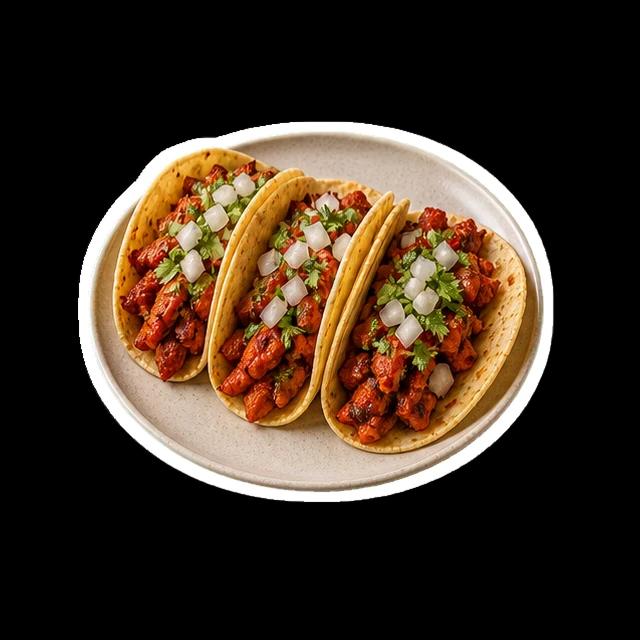
Photo: City Foodsters, CC BY 2.0 Tacos al pastorTacos al pastor
History
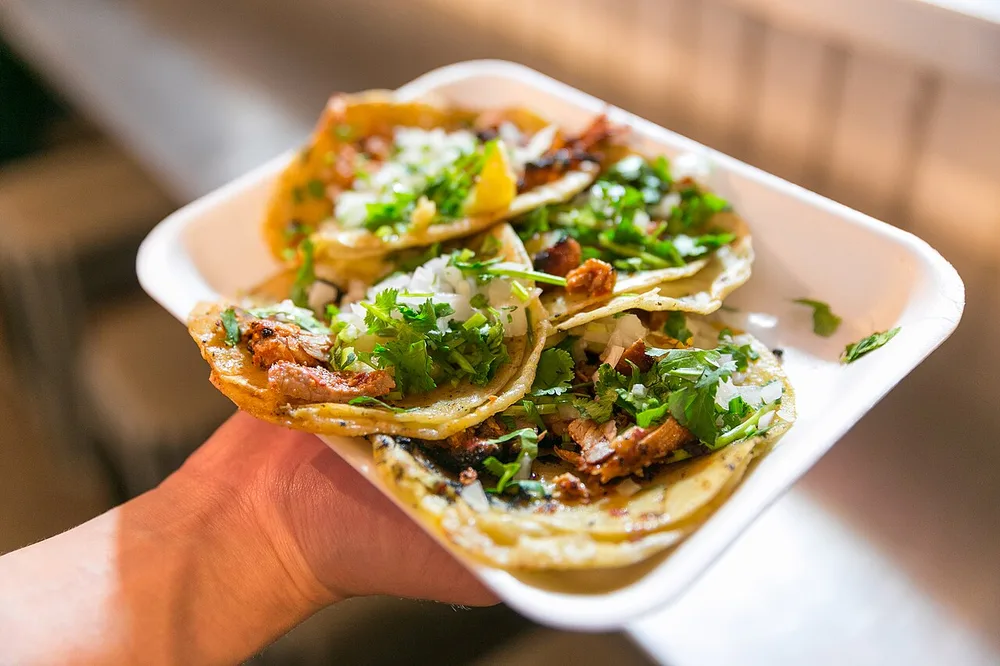
Tacos al pastor descend from the shawarma brought to Mexico by Lebanese immigrants in the early 20th century. In the 1960s, Mexico City taquerias adapted it by using pork and a chili marinade.
How it is made
Thin slices of pork are marinated in dried chilies, spices and achiote, then stacked on a vertical spit called a trompo, often crowned with a pineapple. The meat is shaved off onto small corn tortillas.
How to eat it
Eat it with onion, cilantro, salsa and a sliver of pineapple, and look for a stand where the trompo is turning and charring.
Photo: AlejandroLinaresGarcia, CC BY-SA 4.0 Mole poblanoMole poblano
History
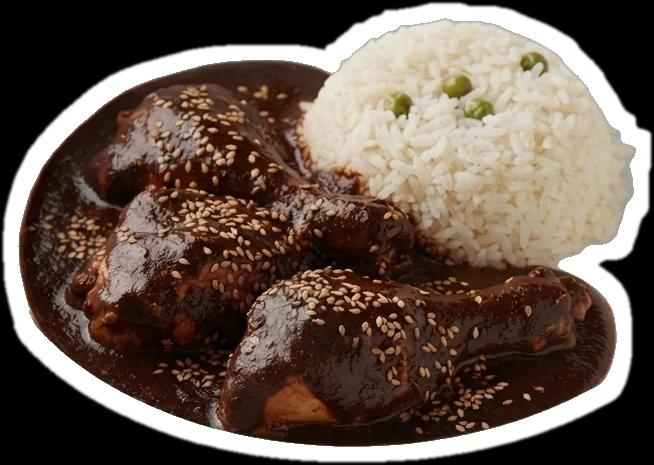
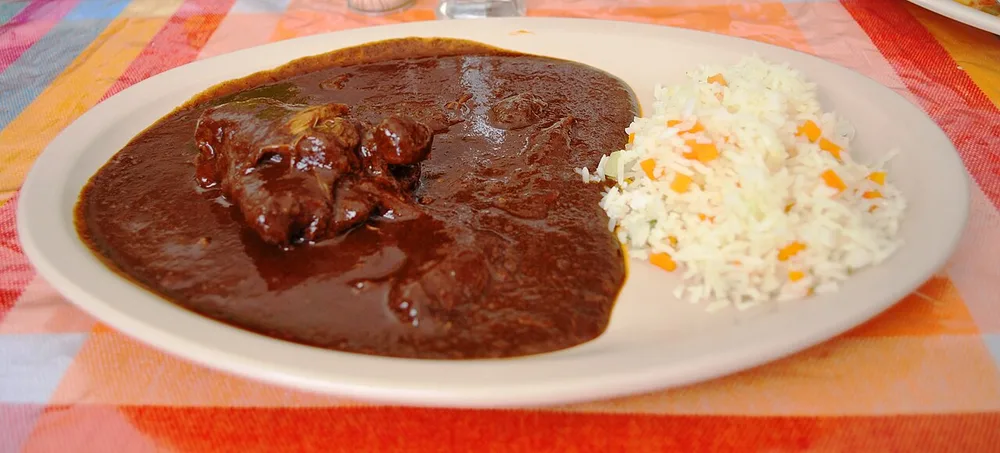
Mole poblano mixes Mesoamerican chilies and chocolate with ingredients from Europe and Asia. A popular legend credits nuns at the Convent of Santa Clara in Puebla with creating it in colonial times, and it is often considered Mexico's national dish.
How it is made
Several dried chilies, such as ancho, mulato and pasilla, are toasted and ground with nuts, seeds, spices, tortilla or bread, and a little chocolate, in all often over 20 ingredients. The paste is fried and simmered into a thick, dark sauce, usually served over turkey or chicken.
How to eat it
Look for a sauce that is smooth, deep and layered, with sweetness that never overwhelms the chili.
Photo: Usernet123u, CC BY-SA 4.0 TamalesTamales
History
Tamales date back thousands of years in Mesoamerica and were eaten by the Maya and Aztecs, including as portable food for travel and war. Mexico has hundreds of regional versions.
How it is made
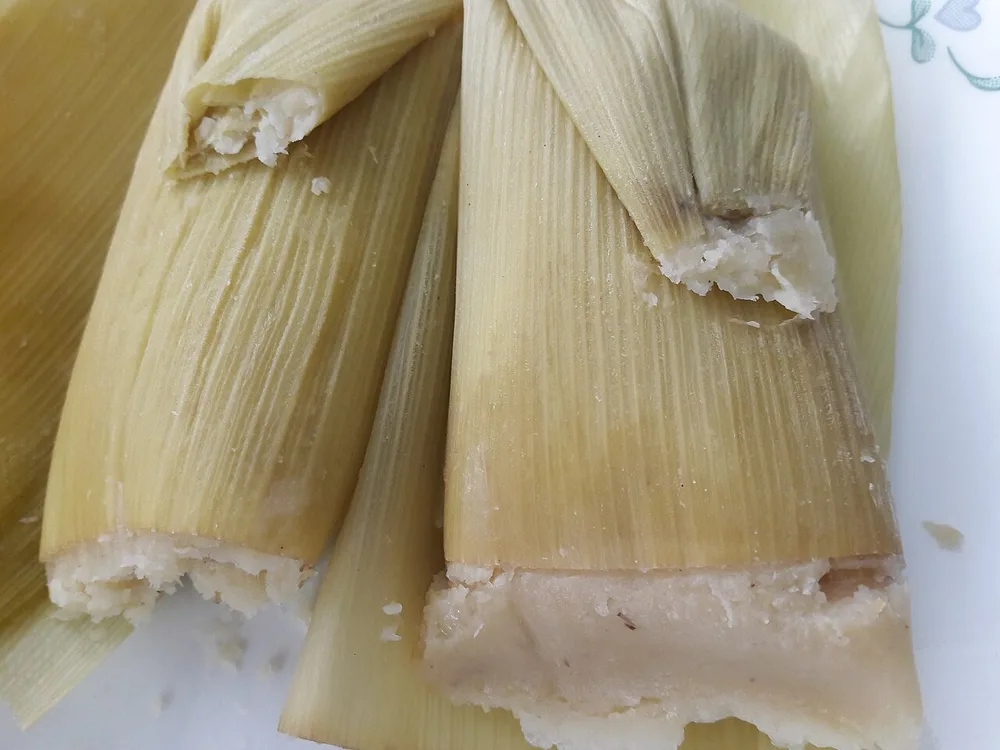
Masa, nixtamalized corn dough beaten with lard and broth, is spread on a corn husk or banana leaf and filled with meat, chili sauce, cheese or beans. The parcels are folded and steamed.
How to eat it
Unwrap the husk first, it is not eaten; in Mexico City, a tamale in a bread roll, a guajolota, is a classic street breakfast.
Photo: Correogsk, CC BY-SA 4.0 Chiles en nogadaChiles en nogada
History
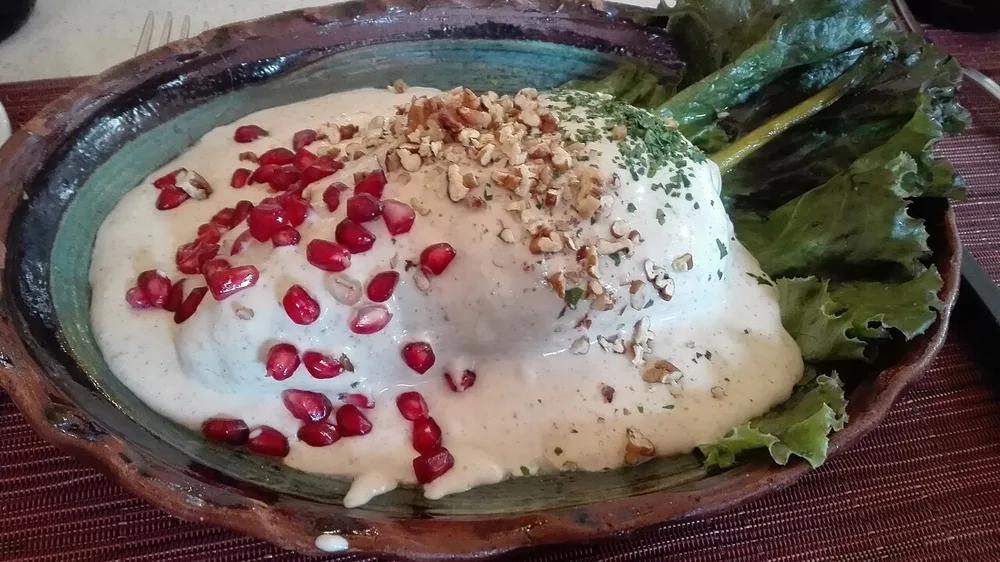
Chiles en nogada come from Puebla, and tradition says they were first prepared to entertain Agustin de Iturbide, the future emperor, around Mexican independence. Its green, white and red echo the Mexican flag, and it is eaten in August and September around Independence Day.
How it is made
Roasted poblano chilies are stuffed with picadillo, a mix of ground meat, fruits and spices. They are covered with a creamy walnut sauce (nogada) and topped with pomegranate seeds and parsley.
How to eat it
A seasonal dish, usually served at room temperature; look for fresh walnut sauce and bright pomegranate seeds.
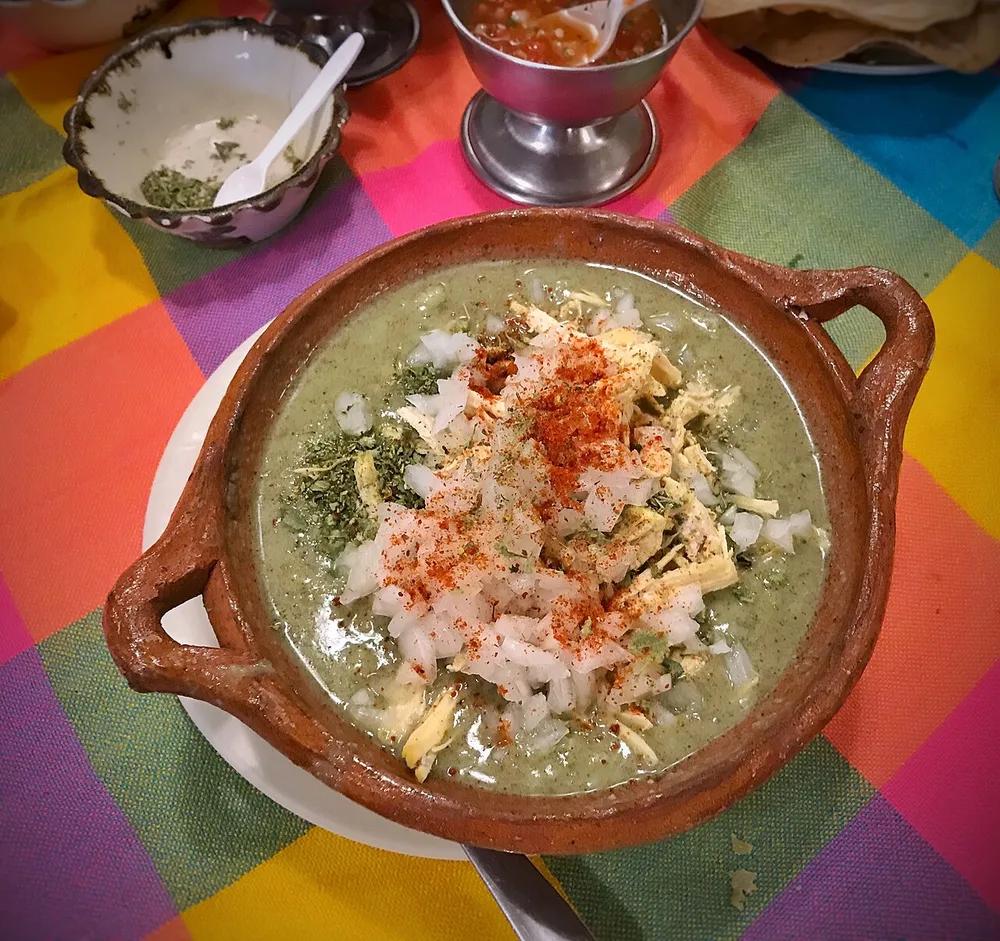
Photo: T.Tseng, CC BY 2.0 PozolePozole
History
Pozole is a pre-Hispanic dish that had ritual importance for the Aztecs. Today it is a festive dish, especially around Independence Day, made in red, white and green versions.
How it is made
Large kernels of nixtamalized corn (hominy) are simmered with pork or chicken until they burst open. Red pozole adds a sauce of dried chilies, and green pozole uses tomatillos and pumpkin seeds.
How to eat it
Add your own garnishes at the table: shredded lettuce or cabbage, radish, onion, oregano, chili and lime.
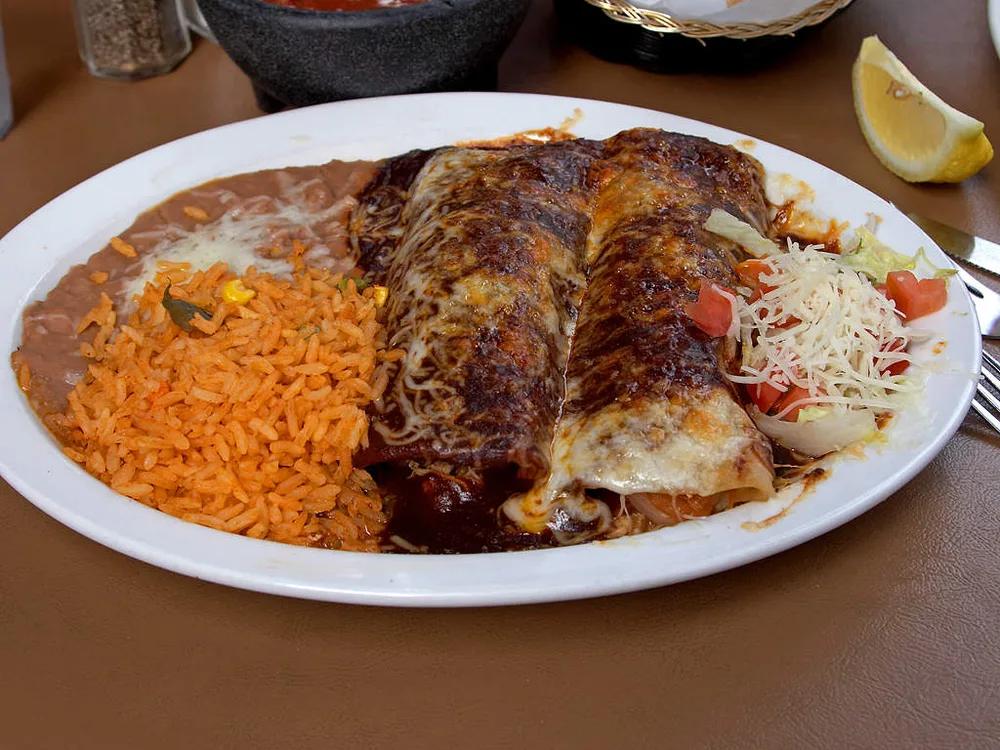
Photo: Jon Sullivan, Public domain EnchiladasEnchiladas
History
Rolling tortillas around food dates back to the Maya, and enchiladas appear in Mexico's first cookbook, El cocinero mexicano, published in 1831. The name means seasoned with chili.
How it is made
Corn tortillas are dipped in a chili sauce, filled with chicken, cheese or beans and rolled. They are topped with more sauce, cheese, cream and onion, and sometimes baked.
How to eat it
Try regional styles such as enchiladas verdes with tomatillo sauce or enchiladas suizas with cream.
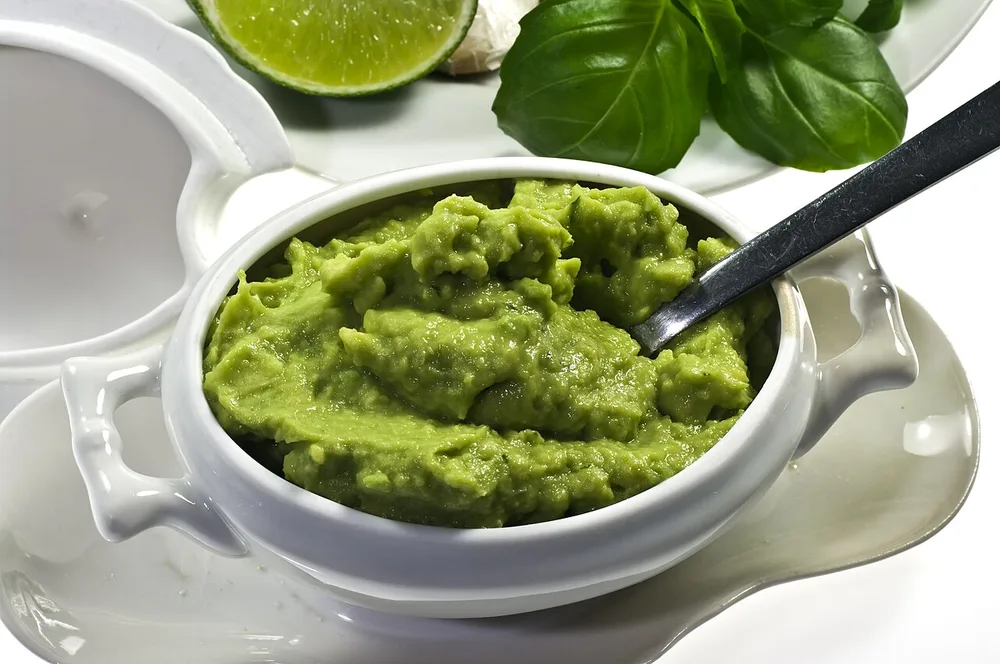
Photo: Nikodem Nijaki, CC BY-SA 3.0 GuacamoleGuacamole
History
Guacamole's name comes from the Nahuatl word ahuacamolli, avocado sauce. Avocados are native to south-central Mexico.
How it is made
Ripe avocados are mashed, traditionally in a stone molcajete, with onion, chili, cilantro, salt and lime juice. Tomato is often added.
How to eat it
Good guacamole is made to order, chunky and bright green, and is eaten with tortilla chips or tacos.
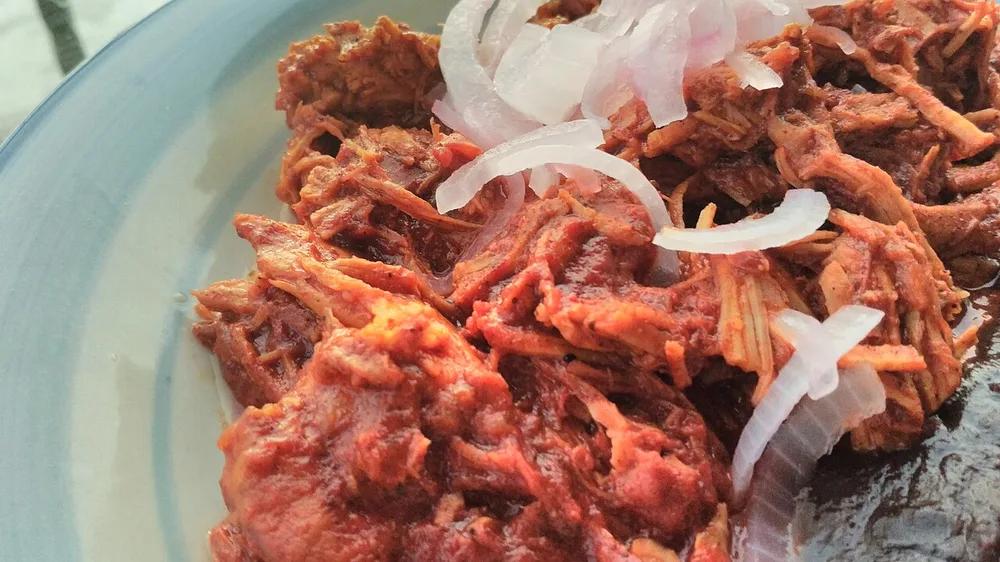
Photo: Popo le Chien, CC BY-SA 3.0 Cochinita pibilCochinita pibil
History
Cochinita pibil is a traditional Yucatec Maya slow-roasted pork dish from the Yucatan Peninsula. Pibil refers to the pib, an underground pit oven.
How it is made
Pork is marinated in bitter orange juice and achiote paste, which gives it its red colour, then wrapped in banana leaves. It is slow-roasted, traditionally in a pit, until it falls apart.
How to eat it
Eat it in tacos or tortas with pickled red onion and fiery habanero salsa, ideally in the morning as Yucatecans do.
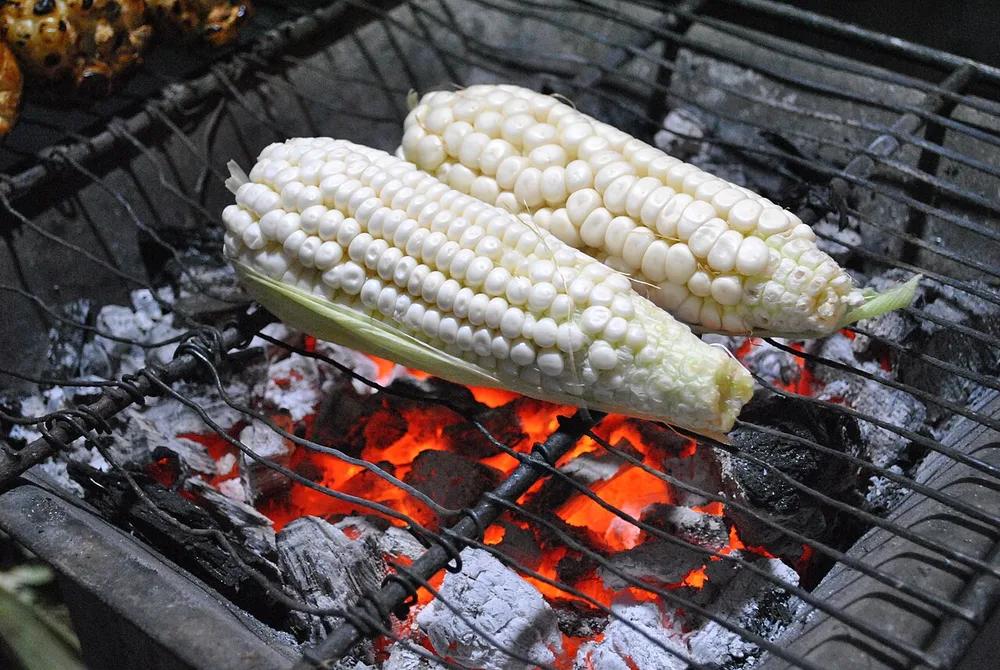
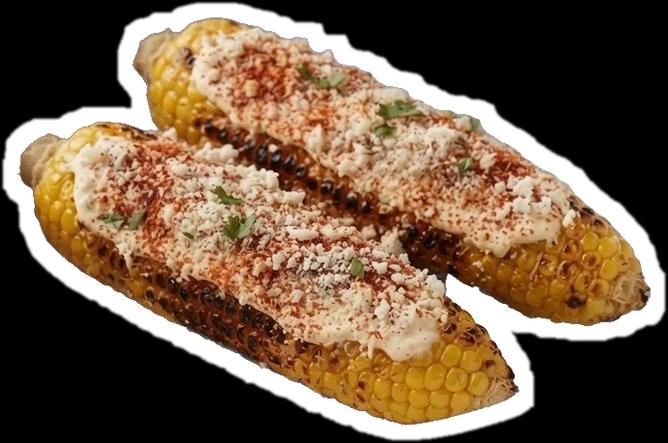
Photo: ProtoplasmaKid, CC BY-SA 3.0 EloteElote
History
Elote, from the Nahuatl elotl, means tender corn on the cob, and corn was domesticated in Mexico thousands of years ago. Today elotes are one of the country's most common street snacks.
How it is made
Ears of corn are boiled or grilled, then spread with mayonnaise or cream and coated with crumbled cotija cheese, chili powder and lime juice. Esquites is the same idea served as kernels in a cup.
How to eat it
Buy it from a street cart in the evening and ask for chili and lime to taste.
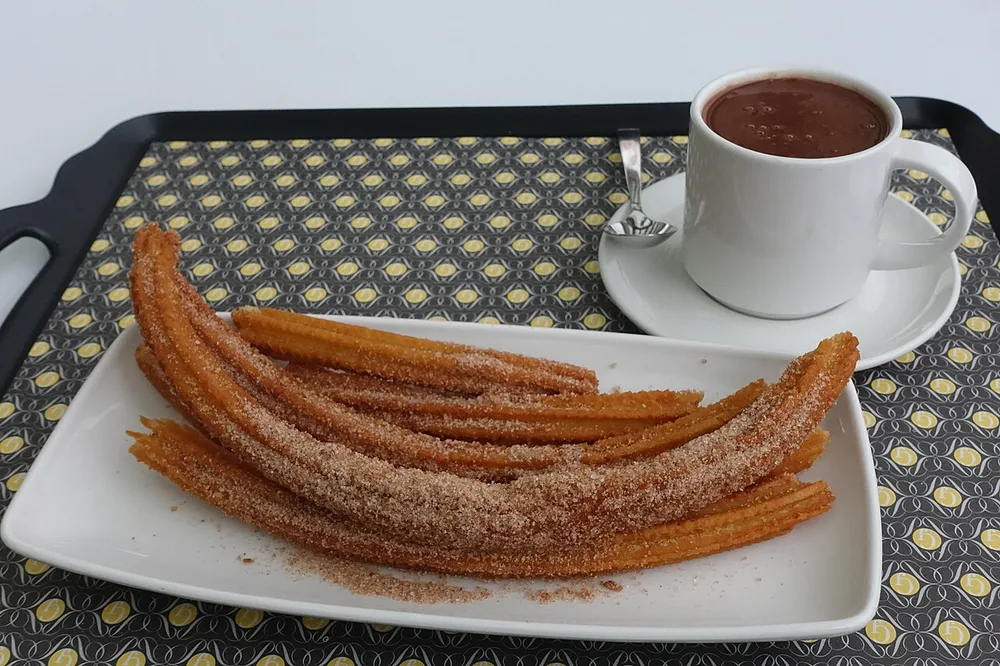
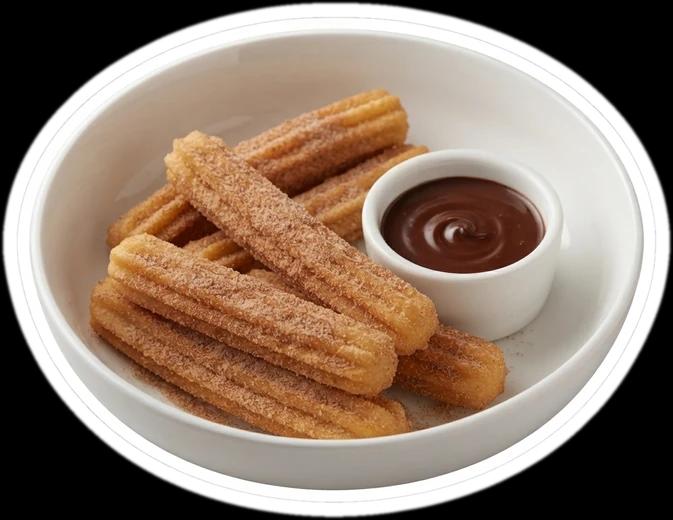
Photo: mike from New York, NY, US, CC BY-SA 2.0 ChurrosChurros
History
Churros came from Spain and Portugal and are now eaten across Latin America. In Mexico they are often dipped in chocolate or filled with cajeta or dulce de leche.
How it is made
A simple dough of flour, water and salt is piped through a star-shaped nozzle into hot oil. The ridged sticks are fried until crisp and rolled in sugar and cinnamon.
How to eat it
Eat them hot, dipped in thick hot chocolate; a good churro is crunchy outside and tender inside, never greasy.
Questions
What are traditional Mexican dishes?
Mole, pozole, tamales, chiles en nogada, cochinita pibil and tacos al pastor are among the most traditional.
Are burritos Mexican?
Burritos come from northern Mexico but are far more common in the United States. Most of Mexico eats tacos, not burritos.
What is mole?
A family of rich sauces made from chillies, spices, nuts and sometimes chocolate. Mole poblano, from Puebla, is the best known.


Your next meal
is a collectible.
ate is out on Google Play. Snap your next plate and start the collection.
Get it on Google PlayFree · Android 8.0 or newer