Japanese food: 10 dishes to know
Japanese food is much more than sushi. These ten dishes cover the noodle bowls, comfort food and sweets people in Japan eat every week, with where each comes from and how it is made.
What makes Japanese food Japanese
Rice, dashi (a stock of kelp and bonito) and soy sauce are the base of most dishes. Seasonality matters, and presentation is part of the meal.
The dishes
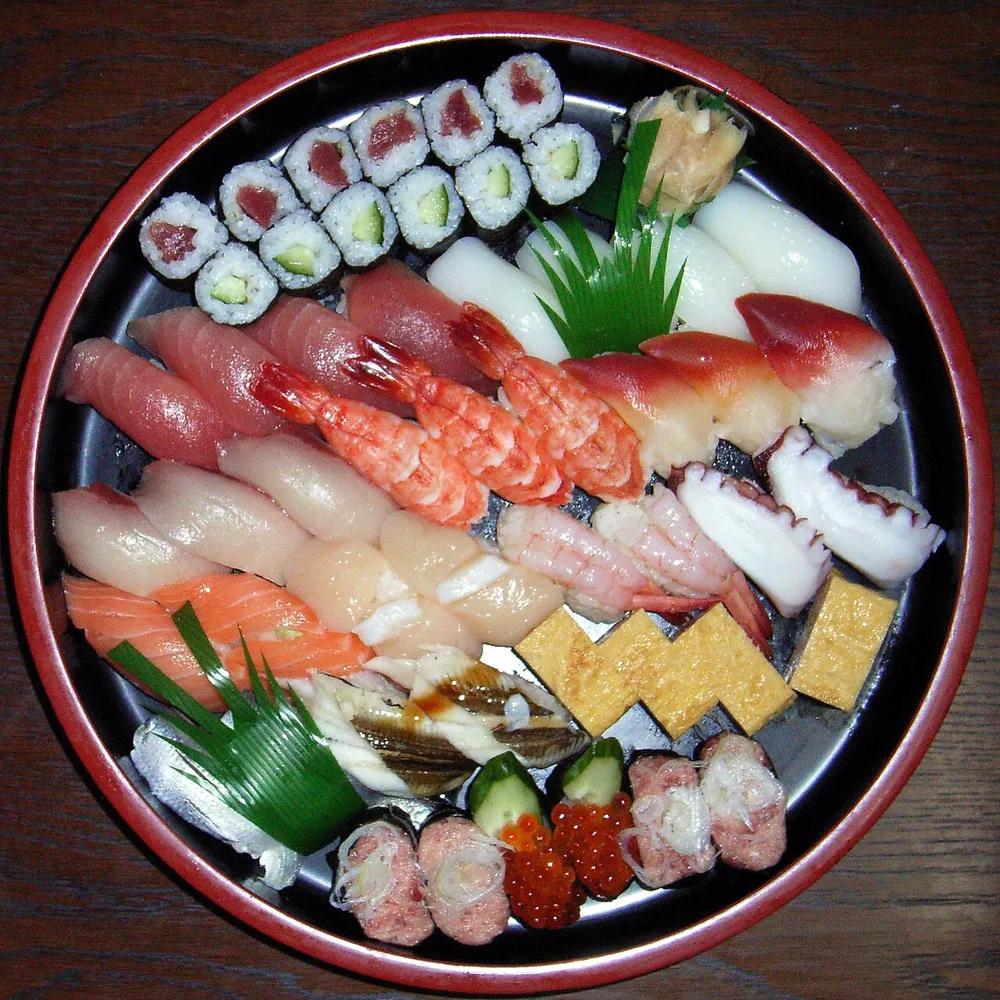
Photo: chidorian from Japan, CC BY-SA 2.0 Sushi寿司
History
Sushi grew out of narezushi, fish preserved by fermenting it in rice, a method that reached Japan from Southeast Asia and China. Hand-pressed nigiri appeared in Edo in the early 19th century as a fast snack sold from street stalls, and is often credited to Hanaya Yohei.
How it is made
Short-grain rice is seasoned with rice vinegar, sugar and salt, then cooled to body temperature. For nigiri, a small oblong of rice is pressed by hand and topped with a slice of raw or cured fish, usually with a dab of wasabi in between.
How to eat it
Dip the fish side, not the rice, lightly in soy sauce, and look for rice that is loosely packed and slightly warm.
Photo: Quercus acuta, CC BY-SA 4.0 Ramenラーメン
History
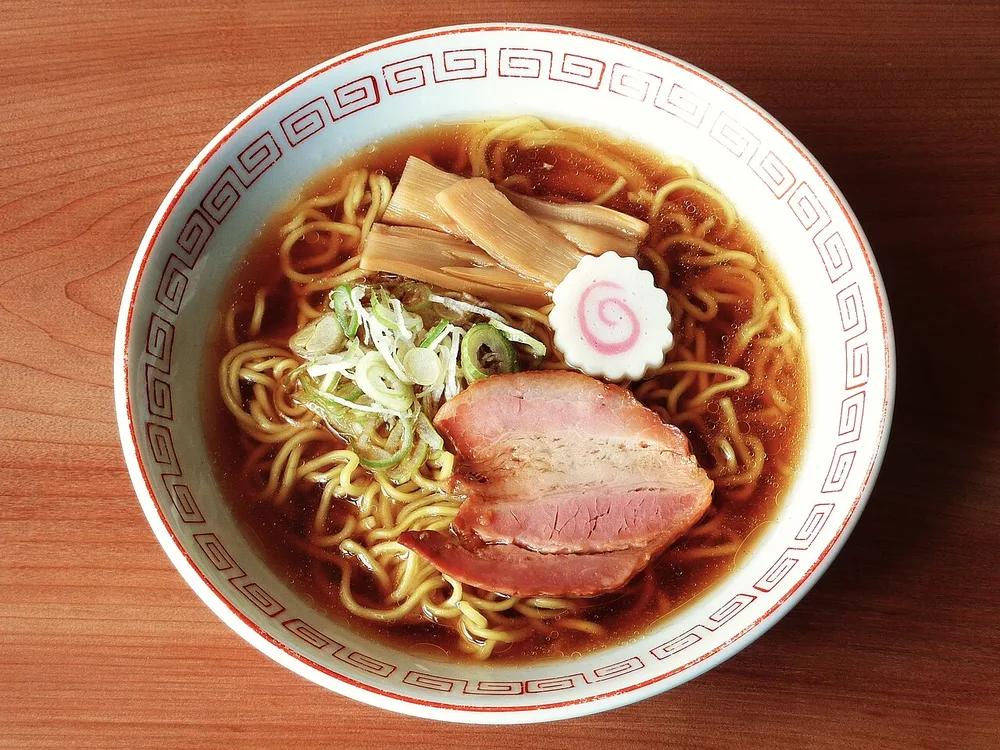
Ramen came to Japan with Chinese wheat noodles, and Rairaiken, opened in Asakusa, Tokyo in 1910, is often named as the first ramen shop run for Japanese customers. Momofuku Ando invented instant ramen in 1958, and regional styles such as Sapporo miso and Hakata tonkotsu developed after the Second World War.
How it is made
Alkaline wheat noodles are served in a long-simmered broth of pork or chicken bones, seasoned with a tare of soy sauce, salt or miso. Common toppings are chashu pork, a soft marinated egg, nori, spring onion and bamboo shoots.
How to eat it
Eat it fast while the noodles are firm, slurping is normal, and judge a shop first by the depth of its broth.
Photo: ウィキ太郎(WikiTaro), CC0 Tempura天ぷら
History
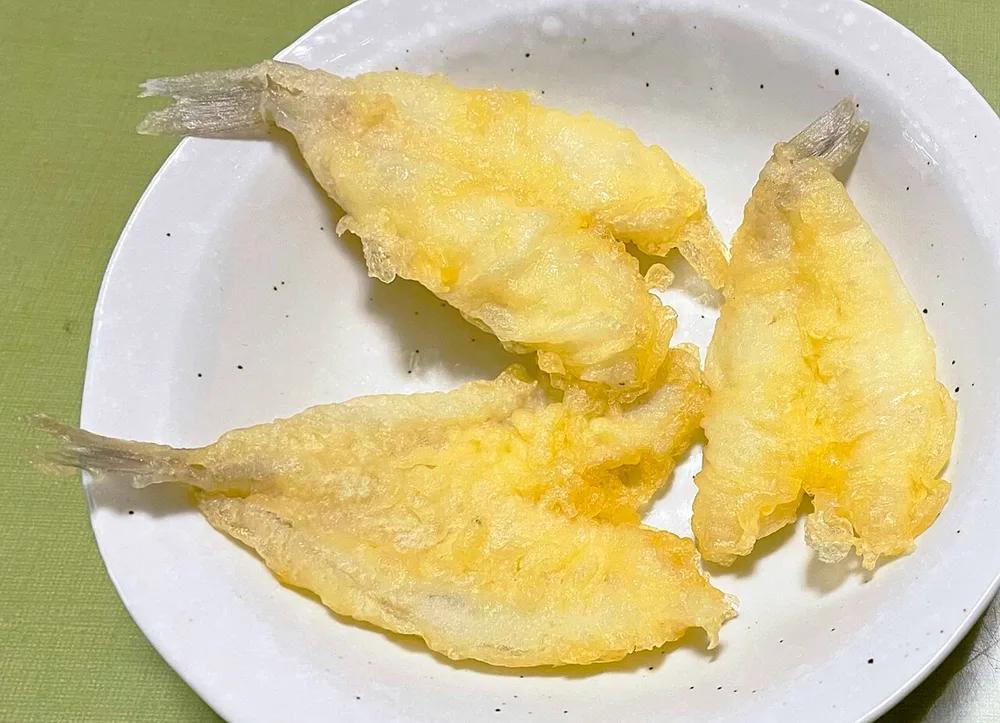
Portuguese missionaries and traders brought the habit of batter-frying to Nagasaki in the 16th century, and the name is commonly traced to the Latin word tempora, the Ember days when Catholics avoided meat. In Edo it became a popular street-stall food eaten on skewers.
How it is made
Seafood and vegetables are dipped in a thin batter of ice-cold water, egg and soft wheat flour mixed only briefly, so it stays lumpy. They are fried quickly in hot oil until pale gold and lacy.
How to eat it
Good tempura is light and dry, not greasy; eat it the moment it lands, with tentsuyu dipping sauce and grated daikon or a pinch of salt.
Photo: ume-y, CC BY 2.0 Okonomiyakiお好み焼き
History
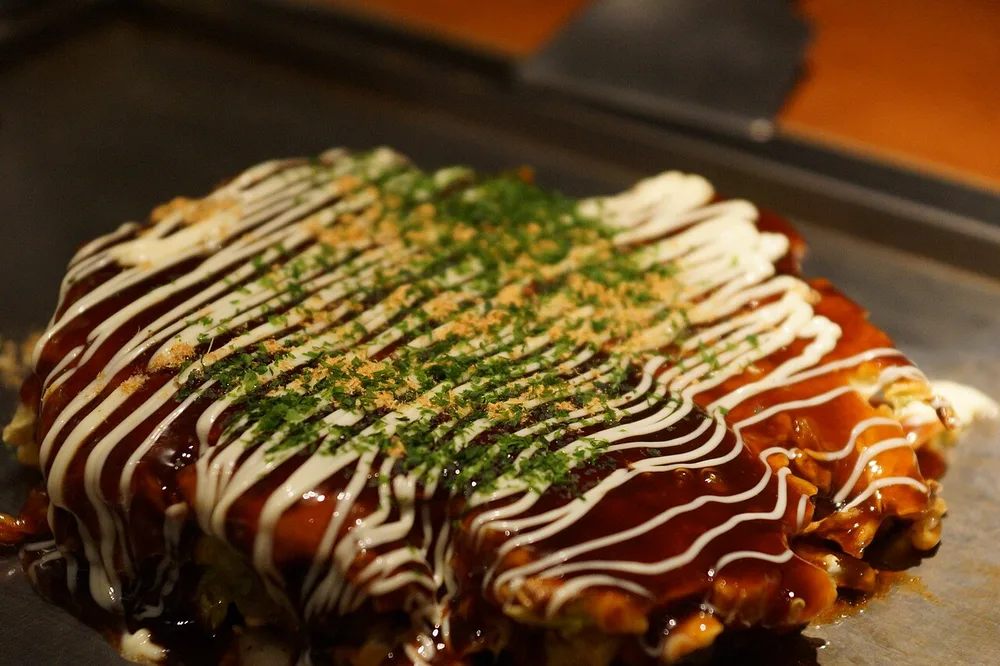
The name means roughly grilled as you like it, and the dish grew from earlier flour-based griddle snacks, becoming widespread during and after the Second World War when rice was scarce. Osaka and Hiroshima each claim their own style.
How it is made
In the Osaka style, a batter of flour, grated yam, egg and dashi is mixed with shredded cabbage and pork or seafood, then cooked on a hot griddle. Hiroshima style layers the batter, cabbage and noodles instead of mixing them.
How to eat it
Eat it straight off the teppan with a small spatula, topped with okonomiyaki sauce, mayonnaise, aonori and bonito flakes that wave in the heat.
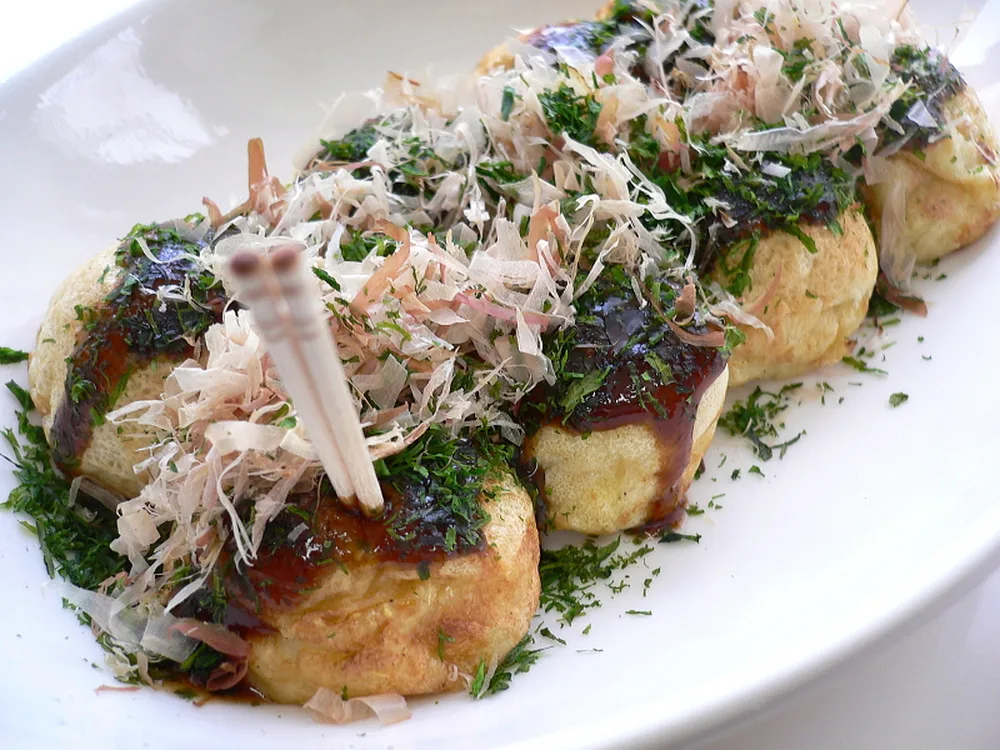
Photo: heiwa4126, CC BY 2.0 Takoyakiたこ焼き
History
Takoyaki is credited to Tomekichi Endo, an Osaka street vendor who popularised it in 1935. It remains one of Osaka's best-known street foods, sold from stalls everywhere in the city.
How it is made
A runny wheat batter flavoured with dashi is poured into a cast-iron pan with half-sphere moulds, and each hole gets a piece of boiled octopus, tempura scraps, pickled ginger and spring onion. The balls are turned with picks as they cook until round.
How to eat it
Let them cool a little, as the inside stays molten; the best are crisp outside and creamy within.
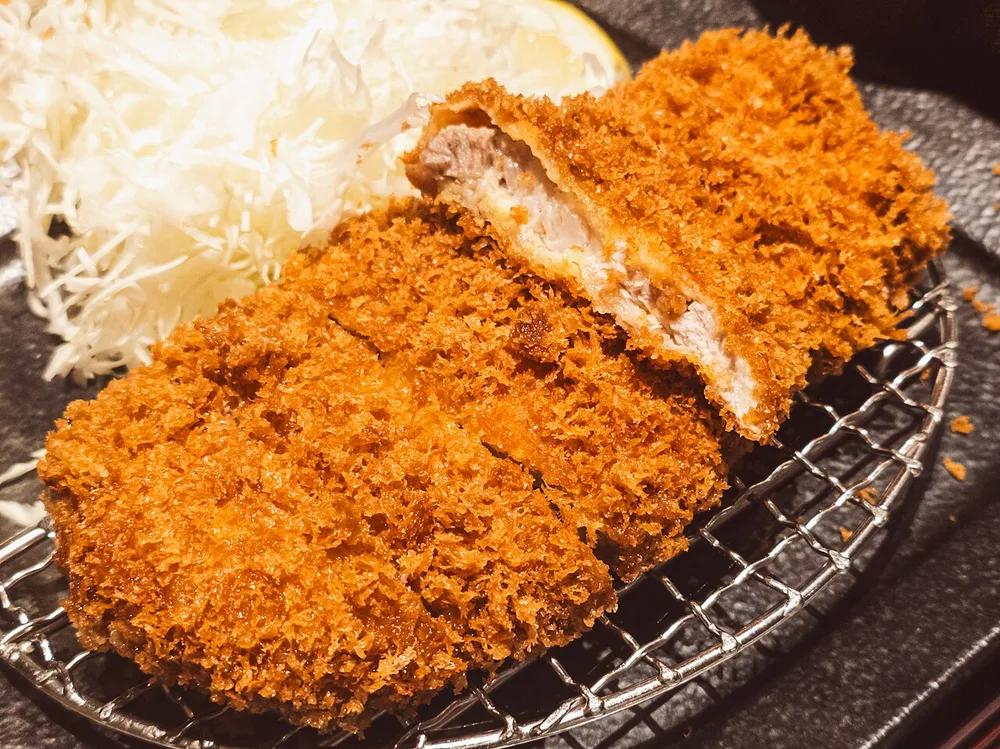
Photo: KoZ, CC BY-SA 4.0 Tonkatsuとんかつ
History
Breaded cutlets arrived in Japan as yoshoku, Western-style food, in the late 19th century, and the pork version was created in 1899 at Rengatei, a Western-style restaurant in Tokyo. The thick, deep-fried pork cutlet called tonkatsu took its current form in the 1930s.
How it is made
A thick pork loin or fillet is seasoned, coated in flour, beaten egg and coarse panko breadcrumbs, then deep-fried. It is sliced into strips and served with finely shredded cabbage, rice and miso soup.
How to eat it
Look for a crust that stays crunchy and pork that is juicy and slightly pink, and eat it with thick tonkatsu sauce.
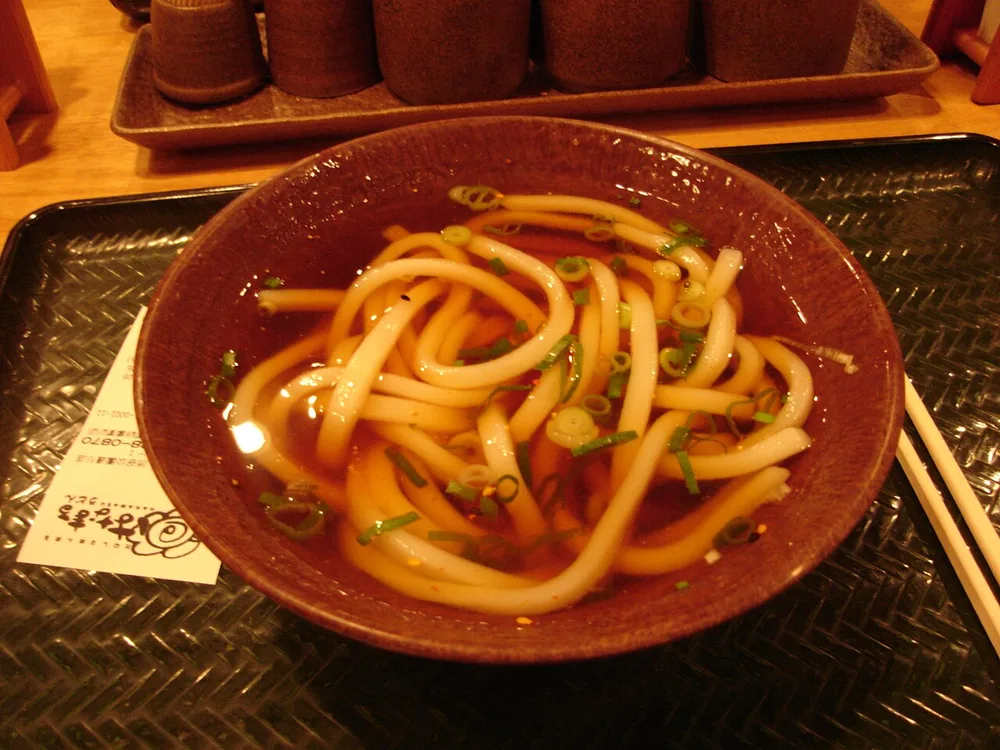
Photo: Joe Jones from Tokyo, CC BY 2.0 Udonうどん
History
Udon are thick wheat noodles eaten all over Japan, served chilled in summer and hot in winter. In the Edo period, the name udon was used only for the thicker noodle served in hot broth, and today Kagawa is famous for its firm, chewy Sanuki udon.
How it is made
A dough of wheat flour, salt and water is kneaded, traditionally by treading on it, then rolled and cut into thick noodles. They are boiled and served hot in a dashi and soy broth or cold with a dipping sauce.
How to eat it
Good udon has a springy, elastic bite (koshi); try it simply as kake udon to taste the noodle itself.
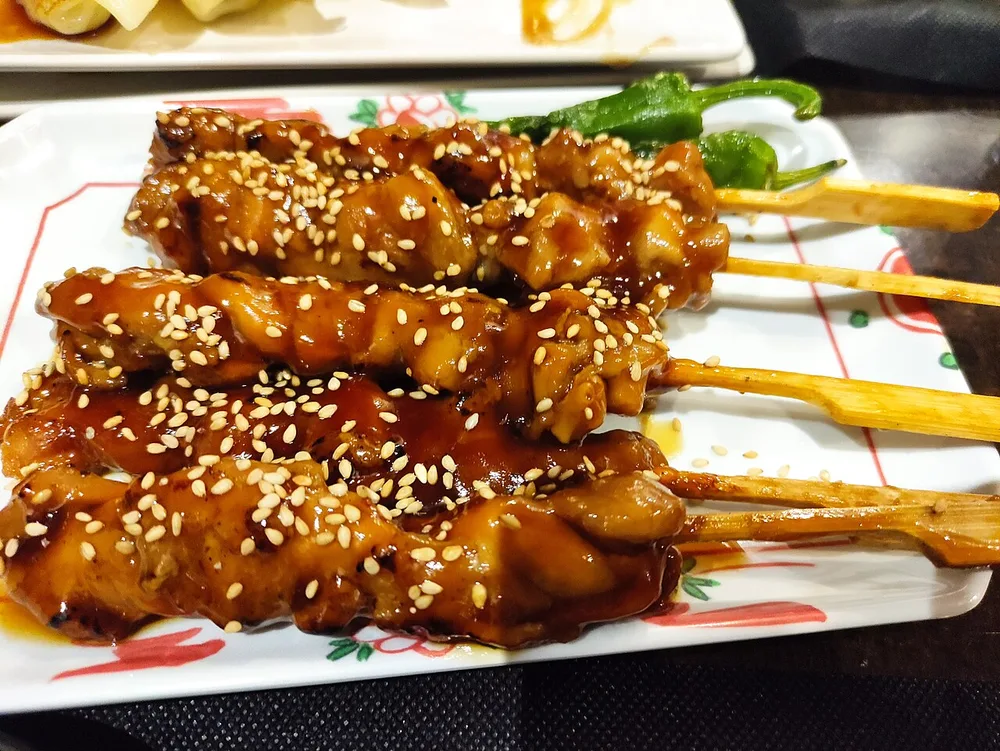
Photo: Francesc Fort, CC BY-SA 4.0 Yakitori焼き鳥
History
Yakitori is a popular street food in Japan, often sold from small carts and stalls called yatai at festivals and along busy evening routes. It is also a classic of izakaya, Japanese pubs.
How it is made
Bite-sized pieces of chicken, including thigh, skin, hearts and minced meatballs called tsukune, are threaded on bamboo skewers. They are grilled over charcoal, often binchotan, and seasoned with salt or a sweet soy tare.
How to eat it
Order both salt and tare versions and eat them hot from the grill, with a beer or highball.
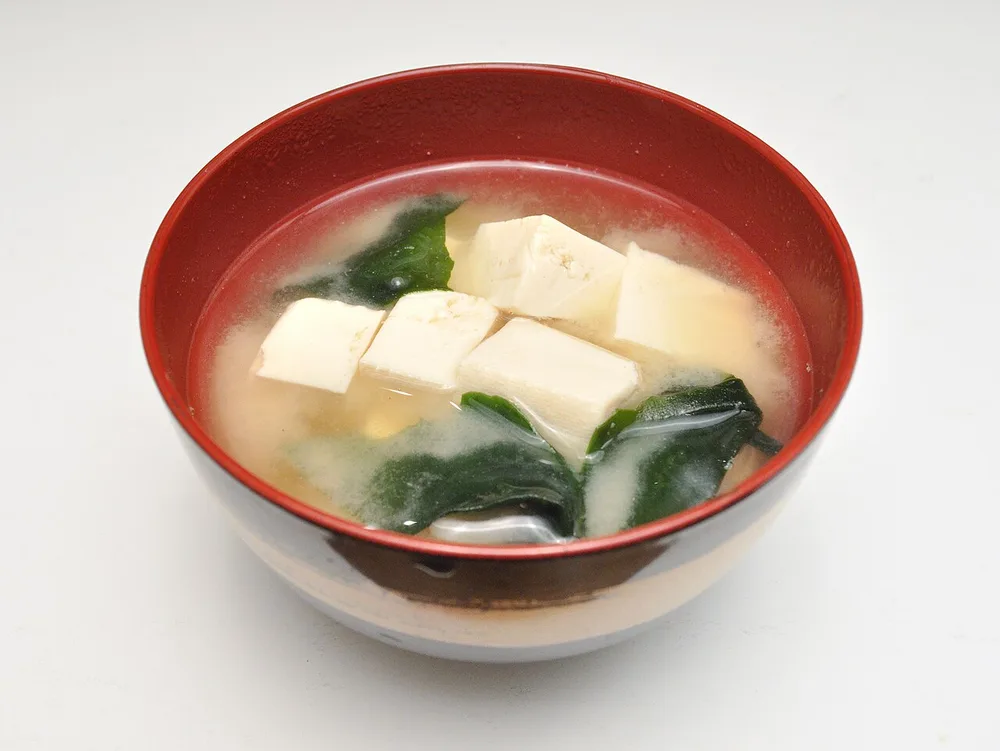
Photo: Ocdp, CC0 Miso soup味噌汁
History
Miso soup is a traditional Japanese soup built on miso, a fermented soybean paste. It is eaten at any meal, including the traditional Japanese breakfast, and is usually served in lacquer bowls.
How it is made
Dashi stock, usually made from kombu and bonito flakes, is heated and miso paste is dissolved into it off the boil. Common additions are tofu cubes, wakame seaweed and spring onion.
How to eat it
Stir it with your chopsticks, drink it straight from the bowl, and expect it at almost any Japanese meal, breakfast included.
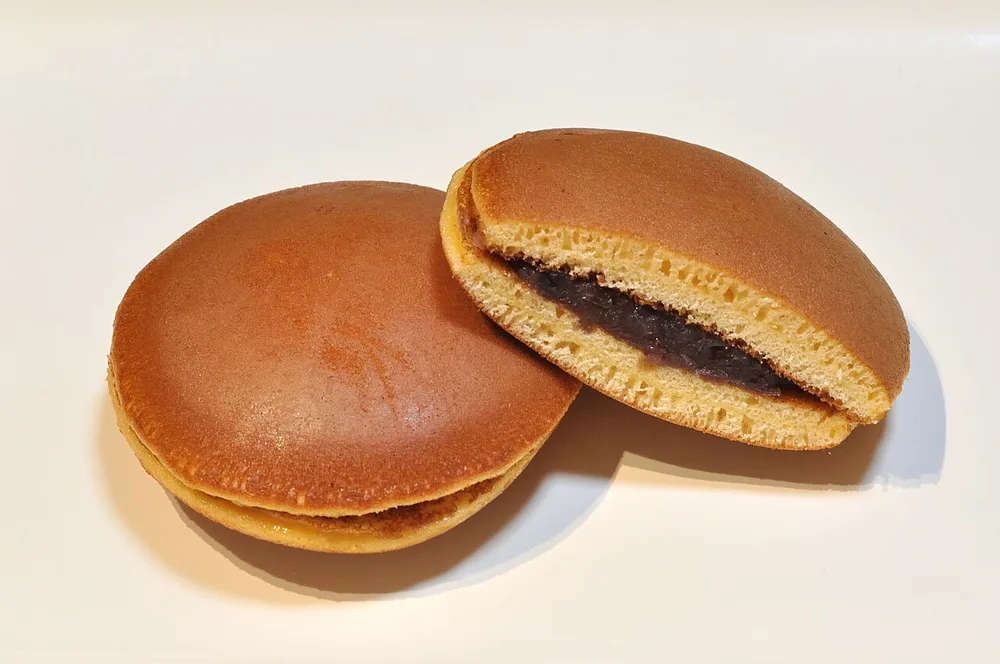
Photo: Ocdp, CC BY-SA 3.0 Dorayakiどら焼き
History
Dorayaki is named after the dora, a gong, for its shape. Its modern form of two pancakes sandwiching sweet bean paste is credited to the Usagiya confectioner in Ueno, Tokyo, in 1914, and it is famous as the favourite snack of the manga character Doraemon.
How it is made
A batter of eggs, sugar, flour and honey is cooked into small, round castella-style pancakes. Two of them are pressed together around a thick layer of sweet red bean paste (anko).
How to eat it
Look for soft, honey-scented pancakes with an even brown surface, best eaten fresh with green tea.
Questions
What are the most popular Japanese dishes?
Sushi, ramen, tempura, tonkatsu, udon and yakitori are the best known. At home, curry rice, donburi and miso soup are everyday food.
What Japanese food should a beginner try?
Ramen, tonkatsu, gyoza and okonomiyaki are easy to love and do not involve raw fish.
What is the difference between udon and soba?
Udon are thick wheat noodles; soba are thin buckwheat noodles. Both are served hot in broth or cold with a dipping sauce.

Your next meal
is a collectible.
ate is out on Google Play. Snap your next plate and start the collection.
Get it on Google PlayFree · Android 8.0 or newer